

Services
Services
Well-Characterized Rodent Models of Schizophrenia
We offer various models that provide valuable insights into the cognitive impairments and other positive and negative symptoms associated with schizophrenia and the impact of your therapy.
- Stimulant-induced activity (locomotion, headshakes, rearing and climbing)
- Pre-pulse Inhibition of Acoustic Startle
- Conditioned Avoidance Response
- PCP-induced deficits in Social Interaction
- PCP-induced deficits in Novel Object Recognition (NOR)
- PCP-induced deficits in Social Recognition
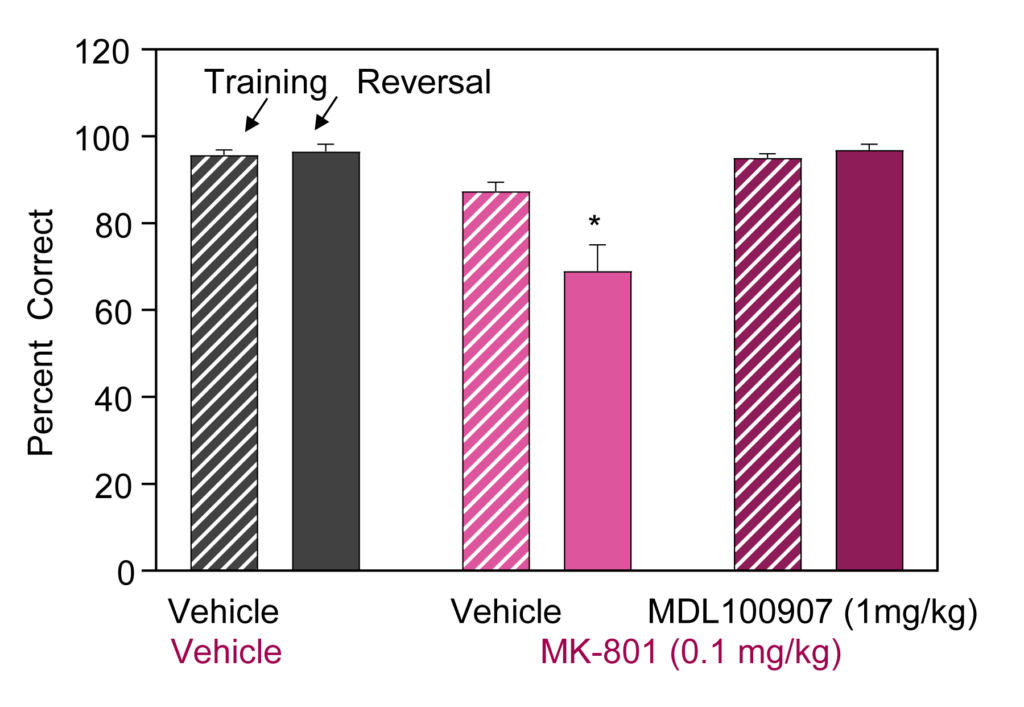
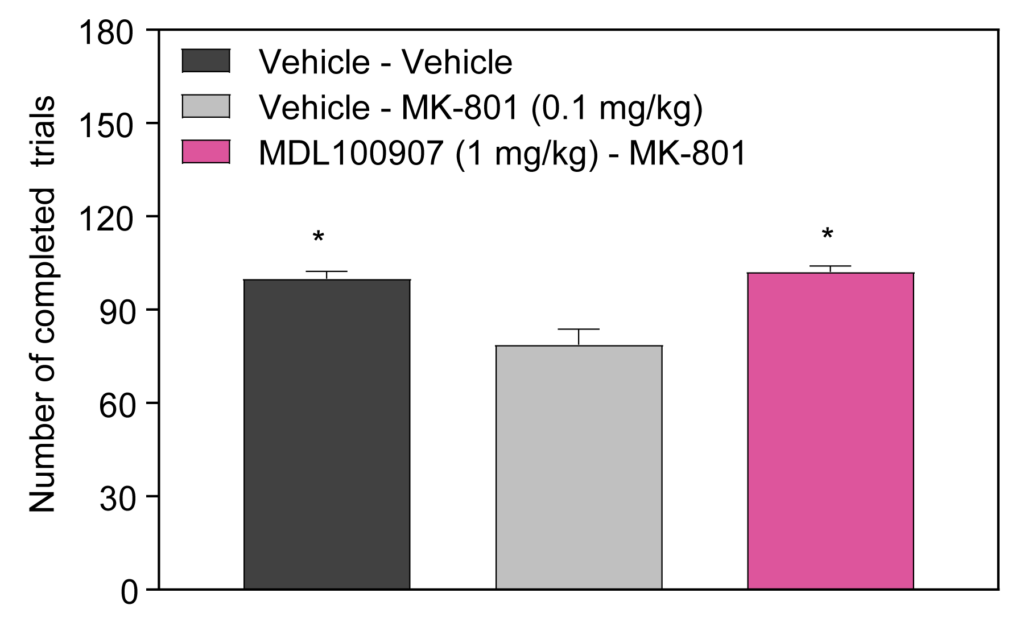
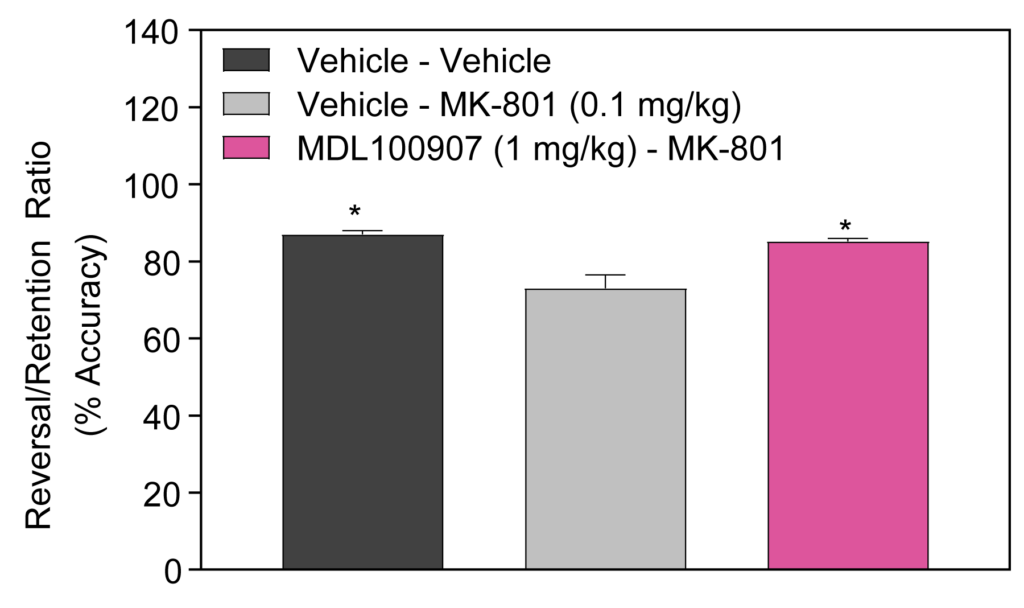
- MK-801-induced deficits in Reversal Learning
- Mismatch Negativity (MMN)
- Auditory Evoked Potentials (AEP)
Services
Stimulant Induced Activity
Amphetamine-Induced Locomotion
Amphetamine-induced hyperactivity is used as a model of schizophrenia and mania.
Services
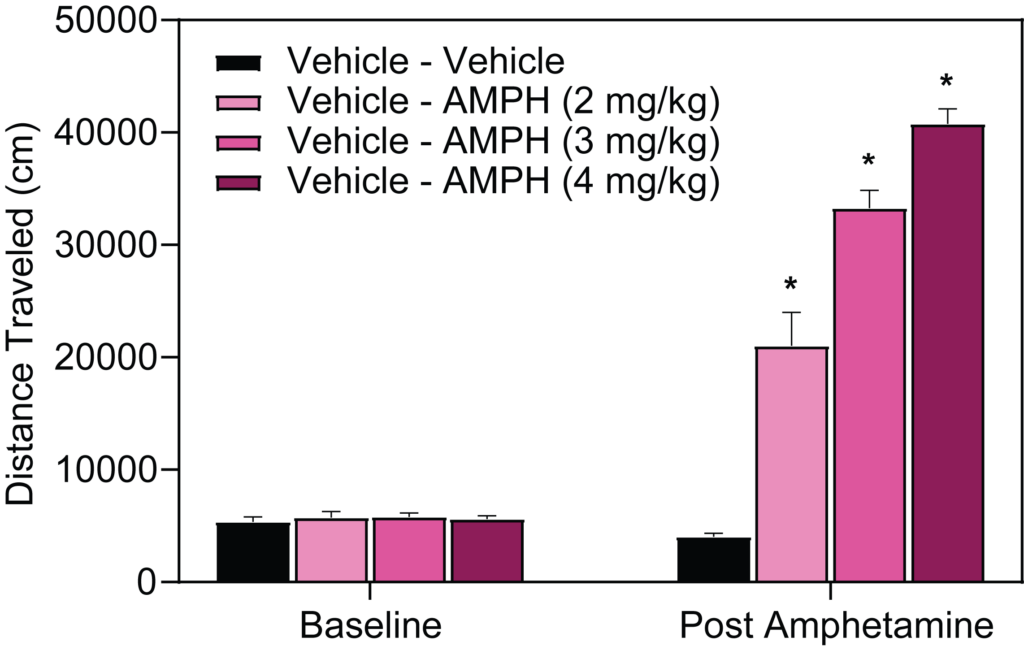
Amphetamine increases locomotor activity in mice in a dose-dependent manner.

Time course for the effects of amphetamine on locomotor activity.
Services
Antipsychotics like Haloperidol decrease amphetamine-induced locomotion in C57Bl/6J mice and Sprague Dawley rats.
Services
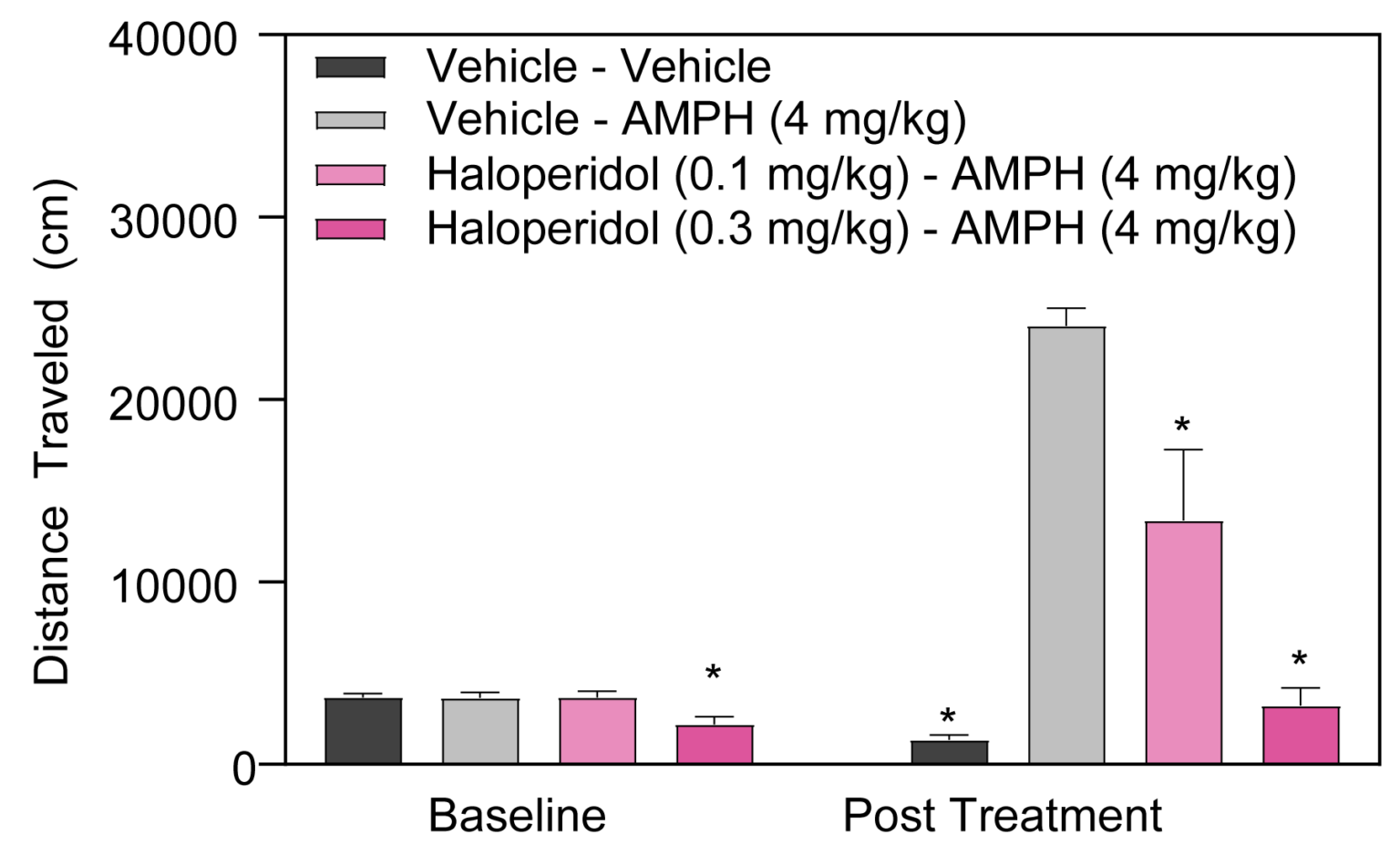
Mouse
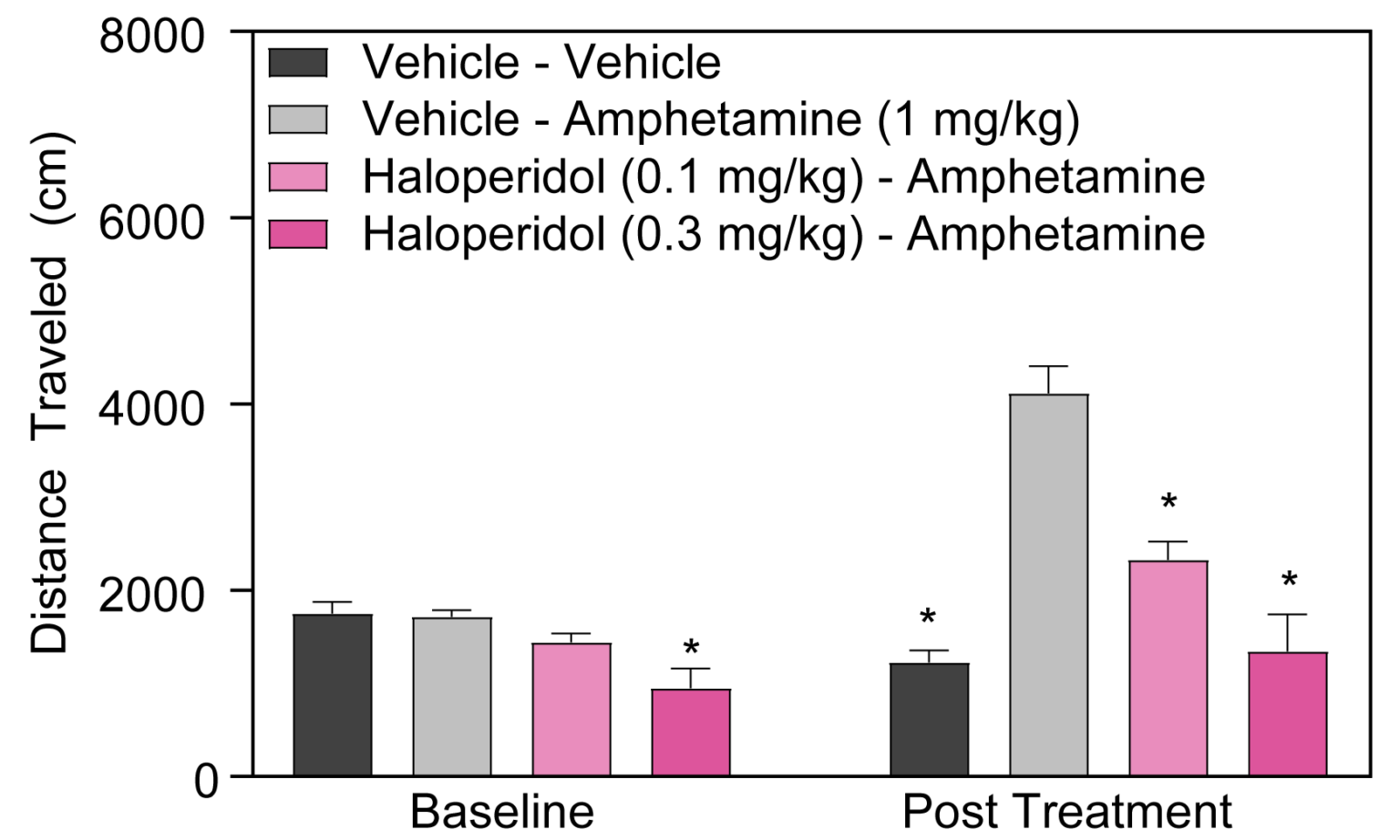
Rat
Services
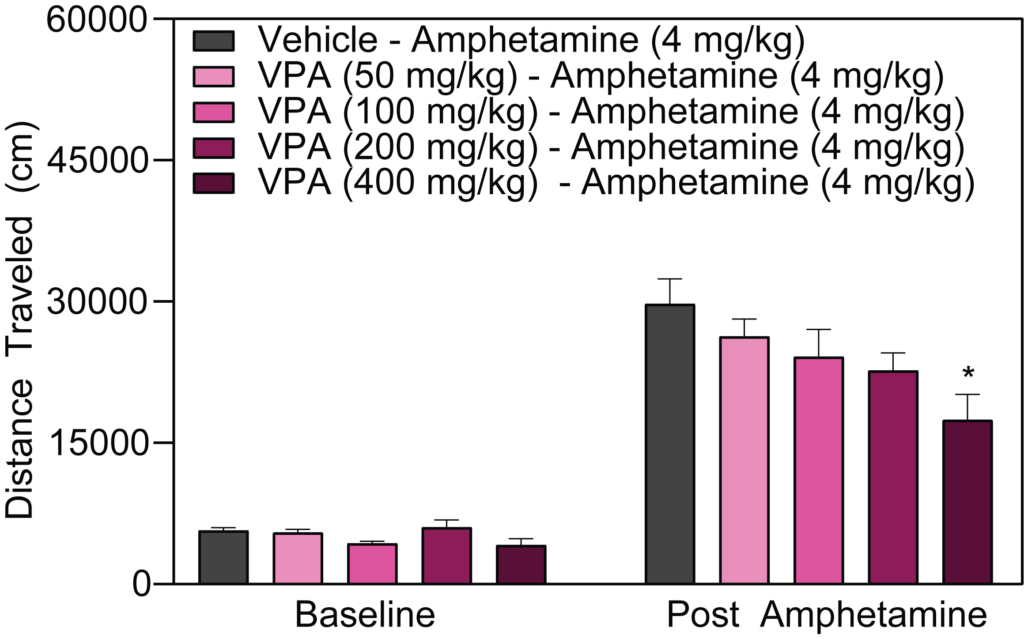
Valproate (VPA) decrease amphetamine-induced locomotion in mice.
Services
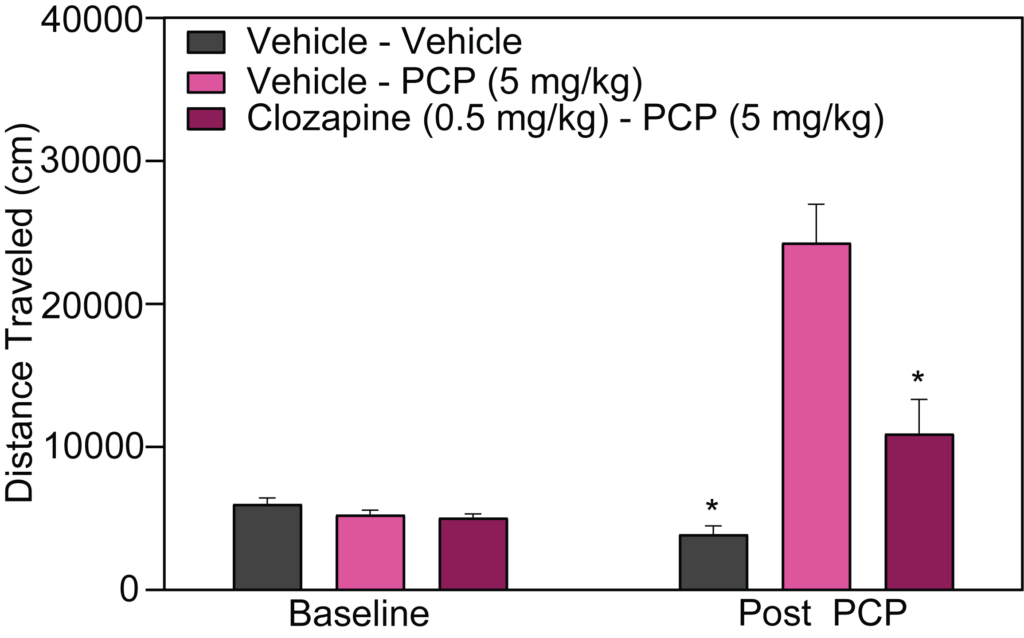
PCP Induced Locomotion
- Phencyclidine (PCP)-induced hyperactivity is used as a model of schizophrenia.
- Antipsychotics like Clozapine attenuate PCP-induced hyperlocomotion in C57Bl/6J mice.
Services

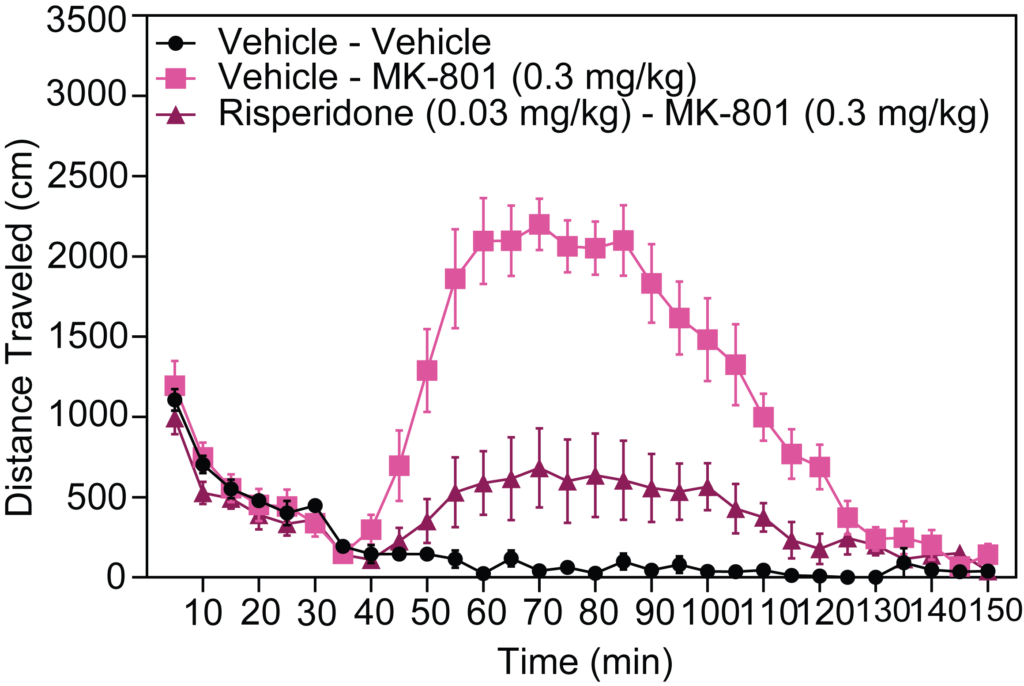
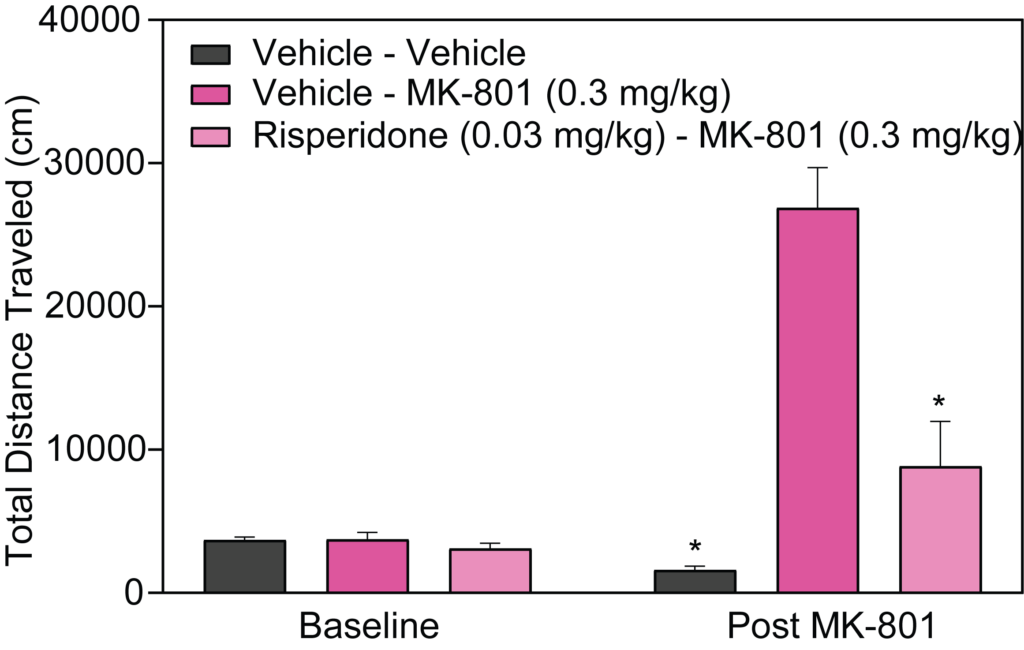
MK-801 Induced Locomotion
- Phencyclidine (PCP)-induced hyperactivity is used as a model of schizophrenia.
- Antipsychotics like Clozapine attenuate PCP-induced hyperlocomotion in C57Bl/6J mice.
Services
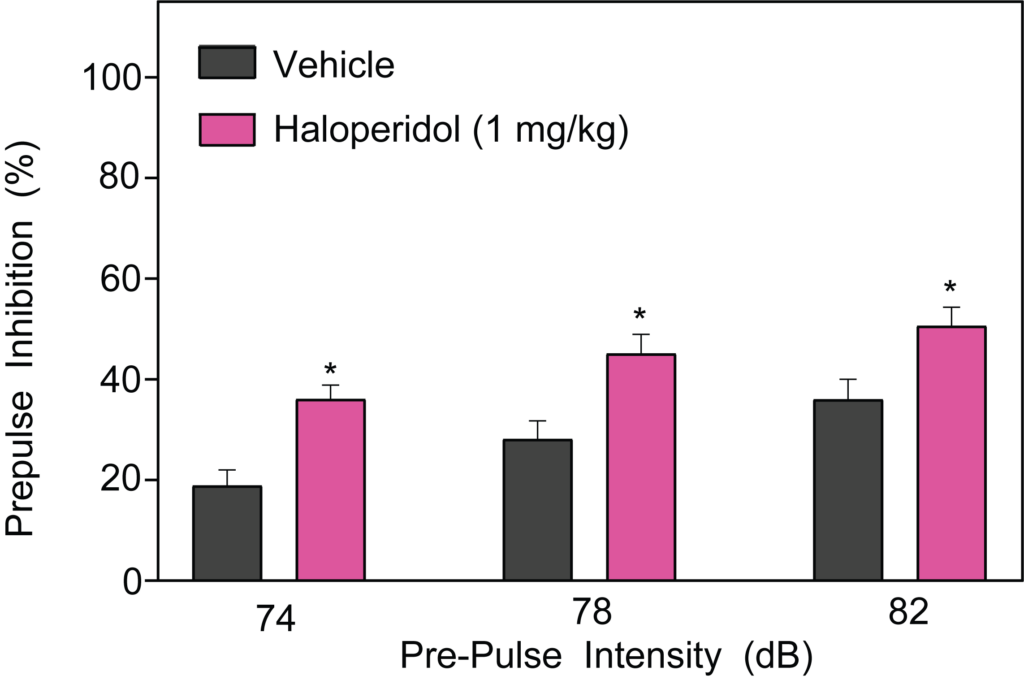
Prepulse Inhibition of Acoustic Startle Reflex (PPI)
- The acoustic startle reflex is a very basic response to strong exteroceptive stimuli. A weak sound preceding the loud acoustic stimulus inhibits the startle reflex; this is called pre-pulse inhibition.
- It is widely used to assess sensorimotor reactivity (gating) in animals and humans, which is impaired in schizophrenia.
- In rodents, antipsychotic agents will increase the PPI response and also reverse the effects of disrupters.
Services
DOI-Induced Head Shakes Response
- Activation of 5-HT2 receptors mediates behavioral effects of hallucinogenic drugs.
- DOI, a 5-HT2A/2C agonist, induces head shakes in rodents. This effect can be attenuated by ketanserin, a 5-HT2 receptor antagonist.
- Psychedelics like psilocin and psilocybin also increase head shake response.
Services
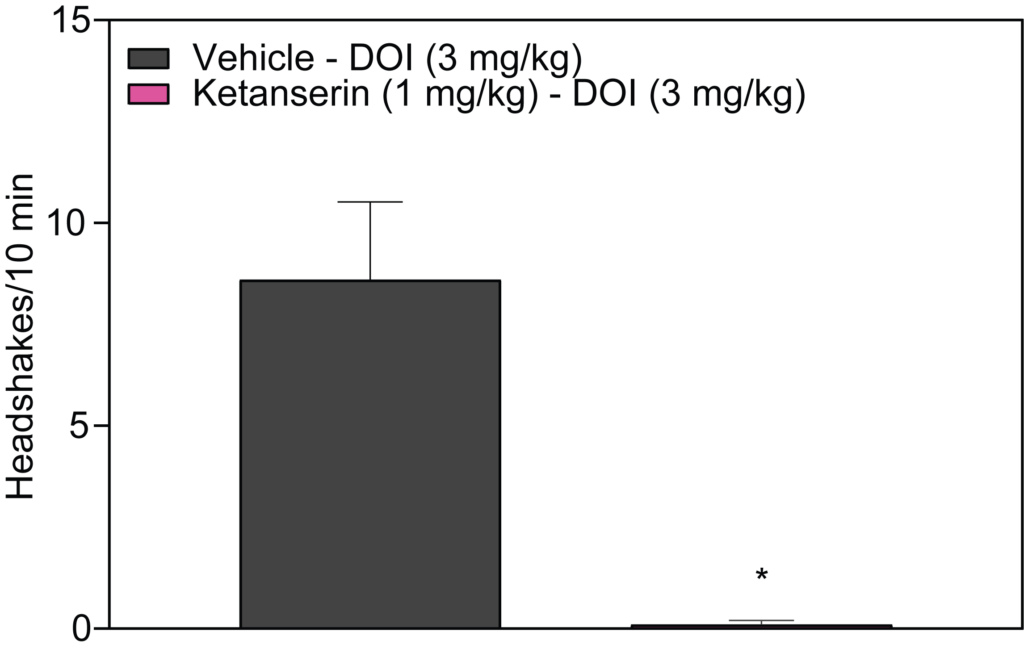
Ketanserin inhibits DOI-induced headshake response in Sprague Dawley rats.
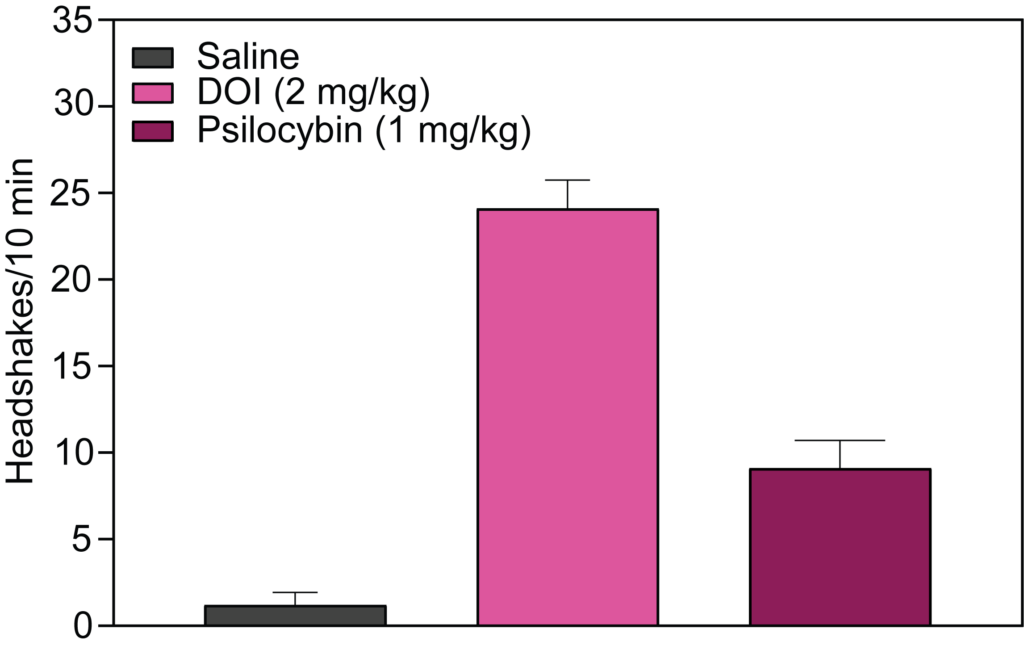
DOI and Psilocybin increase headshake response in C57Bl/6J mice.
Services
Apomorphine-Induced Rearing and Climbing
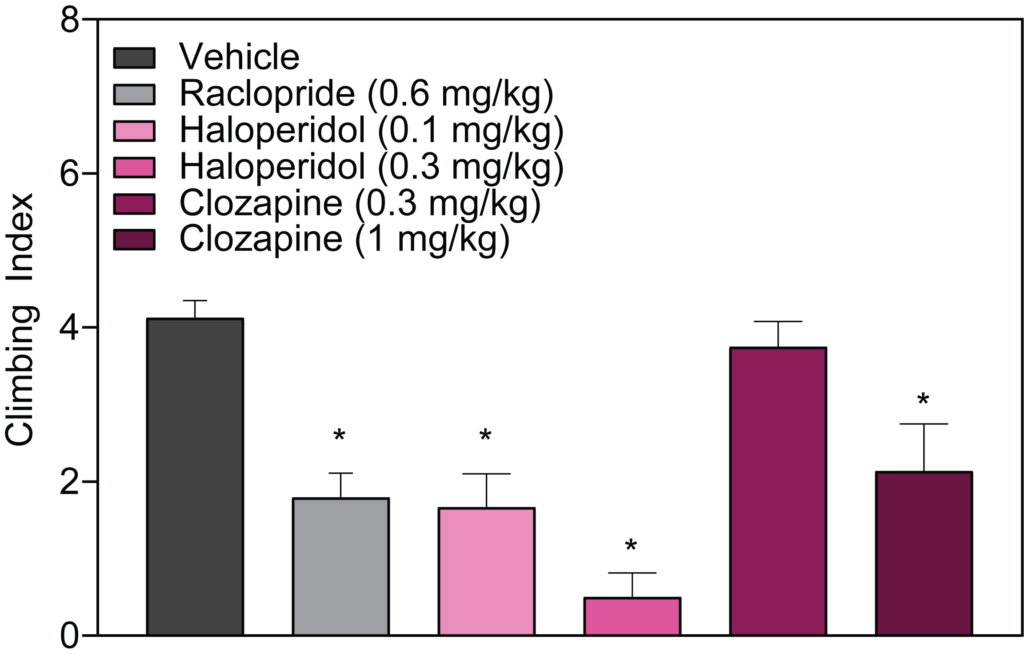
- Dysfunction of the dopaminergic system is thought to underlie some of the symptoms of schizophrenia.
- Apomorphine-induced rearing and climbing is used a model for psychosis related to schizophrenia and other neurological disorders.
Services
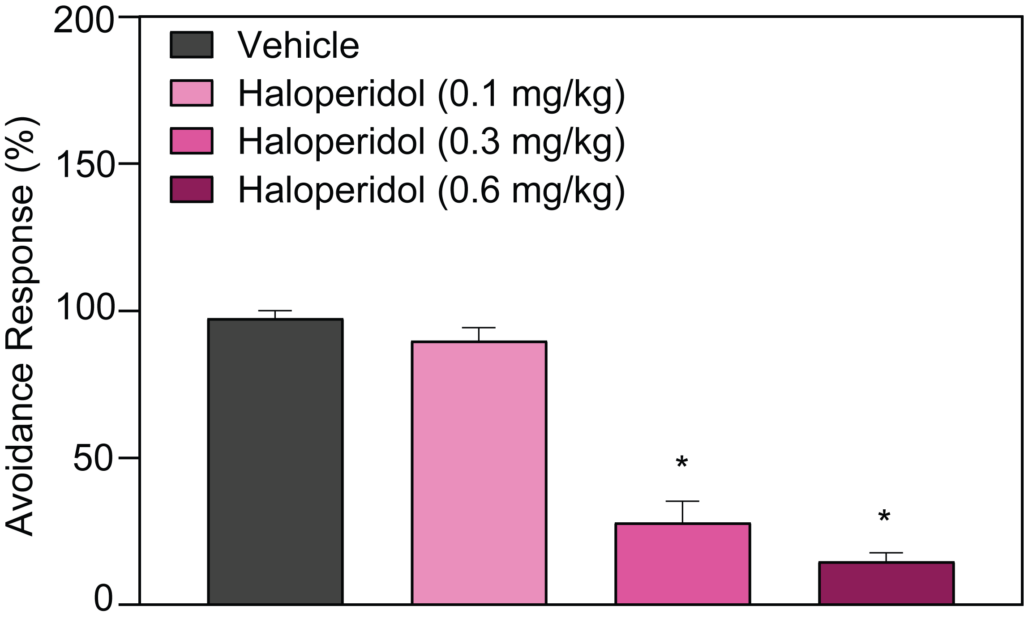
Conditioned Avoidance Response (CAR)
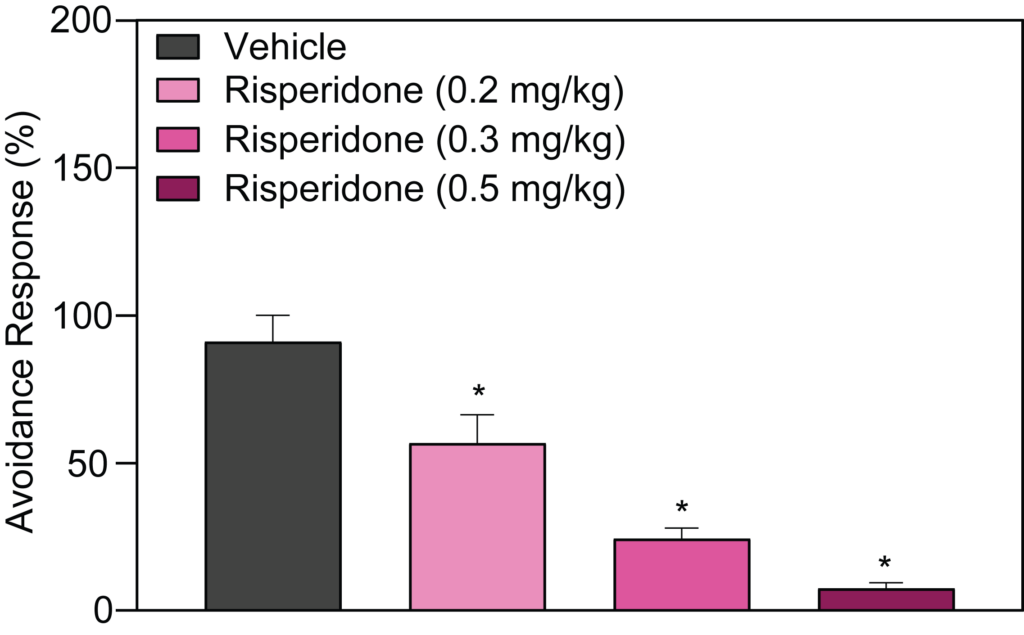
- In this test animals are trained to respond to a stimulus within a certain time by moving from one place to another (avoidance).
- Antipsychotics (at efficacious doses) impair the ability of the rat to avoid food-shock, but do not affect the escape response. By contrast, compounds that are not antipsychotic or high doses (sedative, cataleptic) either have not effect on CAR or suppress avoidance behavior at doses that also suppress escape behavior (failure).
Services
Services
Negative Symptoms: Cognitive and Social Deficits
Services
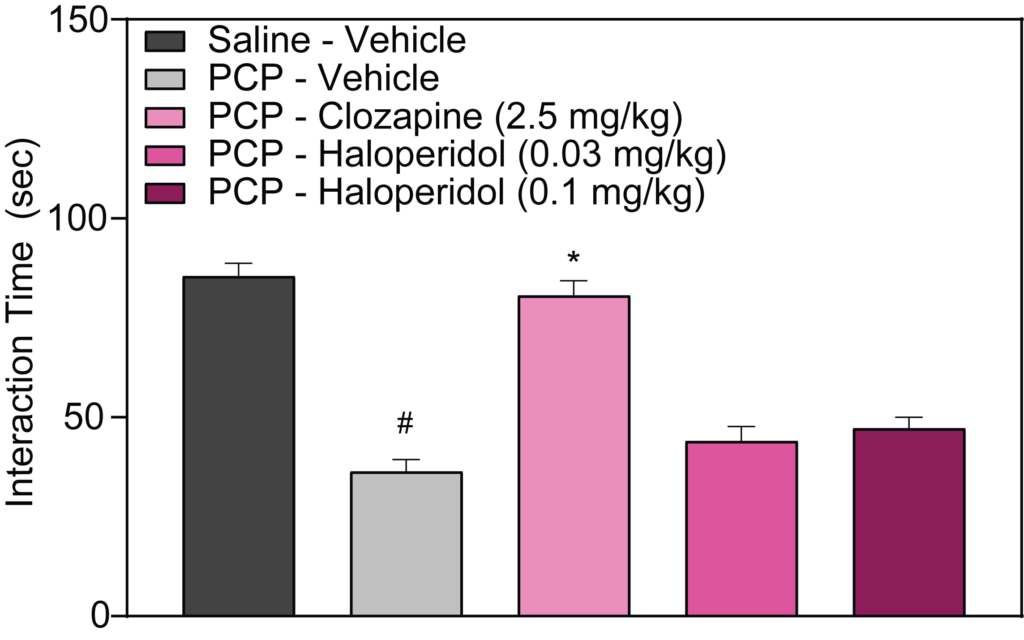
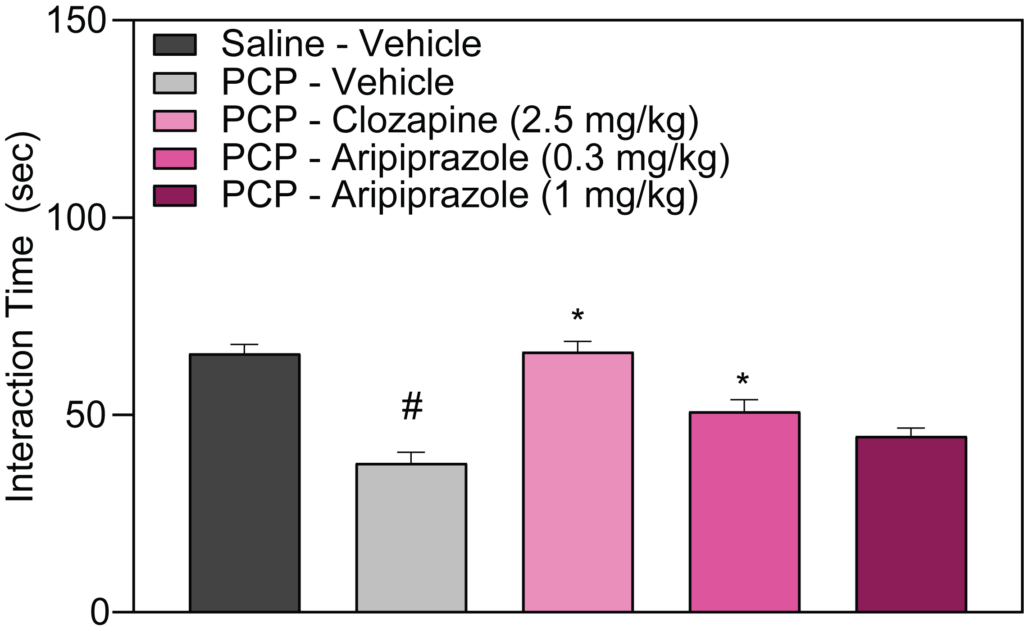
PCP-Social Interaction
- Social isolation is part of the negative symptoms associated with schizophrenia.
- To date, atypical, but not typical, antipsychotics have been shown to be partially effective in treating the negative symptoms in schizophrenic patients.
- In rodents, a 5 day-administration of PCP (2 mg/kg s.c.; BID) causes deficits in social interaction which can be reversed by treatment with clozapine and to a lesser extent aripiprazole, but not haloperidol.
Services
Services
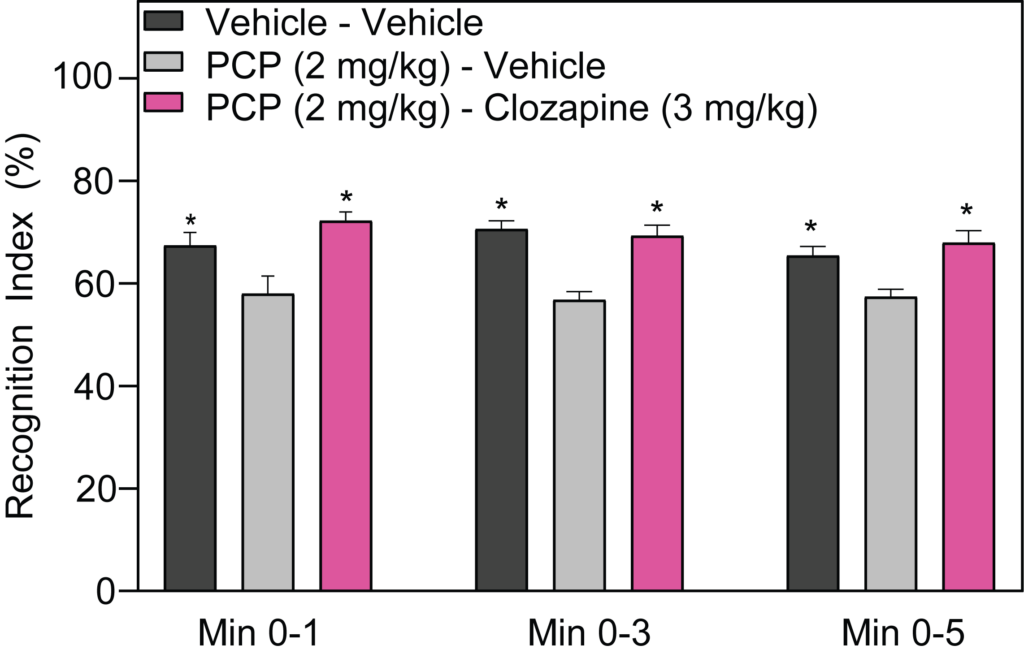
Novel Object Recognition in Rats
- The Novel Object Recognition (NOR) test is a model for episodic memory deficits associated with schizophrenia.
- Subchronic (7 day) administration of PCP (2 mg/kg; BID) induces deficits in recognition index in Long Evans Rats as measured 5 days after the last PCP injection.
- Acute injection of clozapine on test day attenuates this deficit.
Services
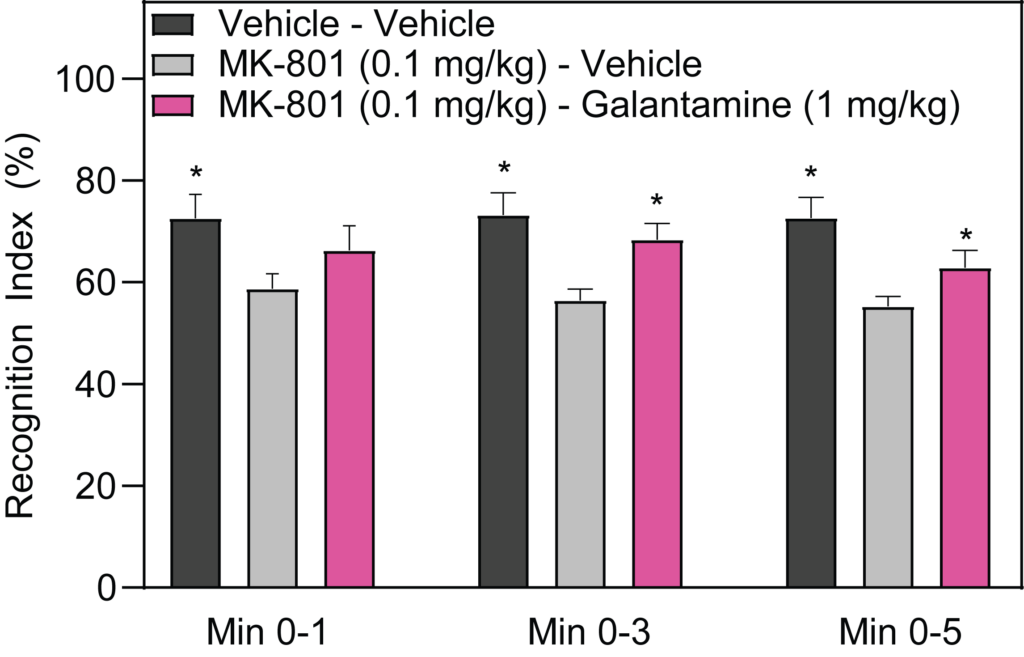
- Acute injection of MK-801 induces deficits in recognition index in Long Evans rats.
- Galantamine attenuates MK-801 induced cognitive deficits in this test.
Services
Reversal Learning
- Learning inflexibility is evident in patients with schizophrenia and attention deficit hyperactivity disorder (ADHD), probably due to their impaired orbito-prefrontal cortex function.
- Serial Reversal Learning (SRL) is an operant conditioning learning task, in which the contingent relationship of a response (usually a specific lever) and an outcome (e.g., delivery of a food pellet) are unexpectedly reversed.
- Animals have to alter their behavioral repertoire according to the changes of new contingencies, in order to obtain further reward.
Services
Services
Services
Partner with PsychoGenics to accelerate your early-stage schizophrenia research and contribute to the discovery of transformative therapies for individuals living with this complex disorder.