Services
Services
Self-Administration:
This model serves as a gold standard for drug abuse liability testing, providing valuable insights into the addictive potential of substances and aiding in the development of effective strategies for addiction prevention and treatment.
PsychoGenics applies it to three primary areas:
- Evaluating a compound’s ability to inhibit drug abuse
- Assessing its ability to inhibit reinstatement of drug abuse
- Determining the abuse liability of novel compounds
MTEP inhibits cocaine self-administration
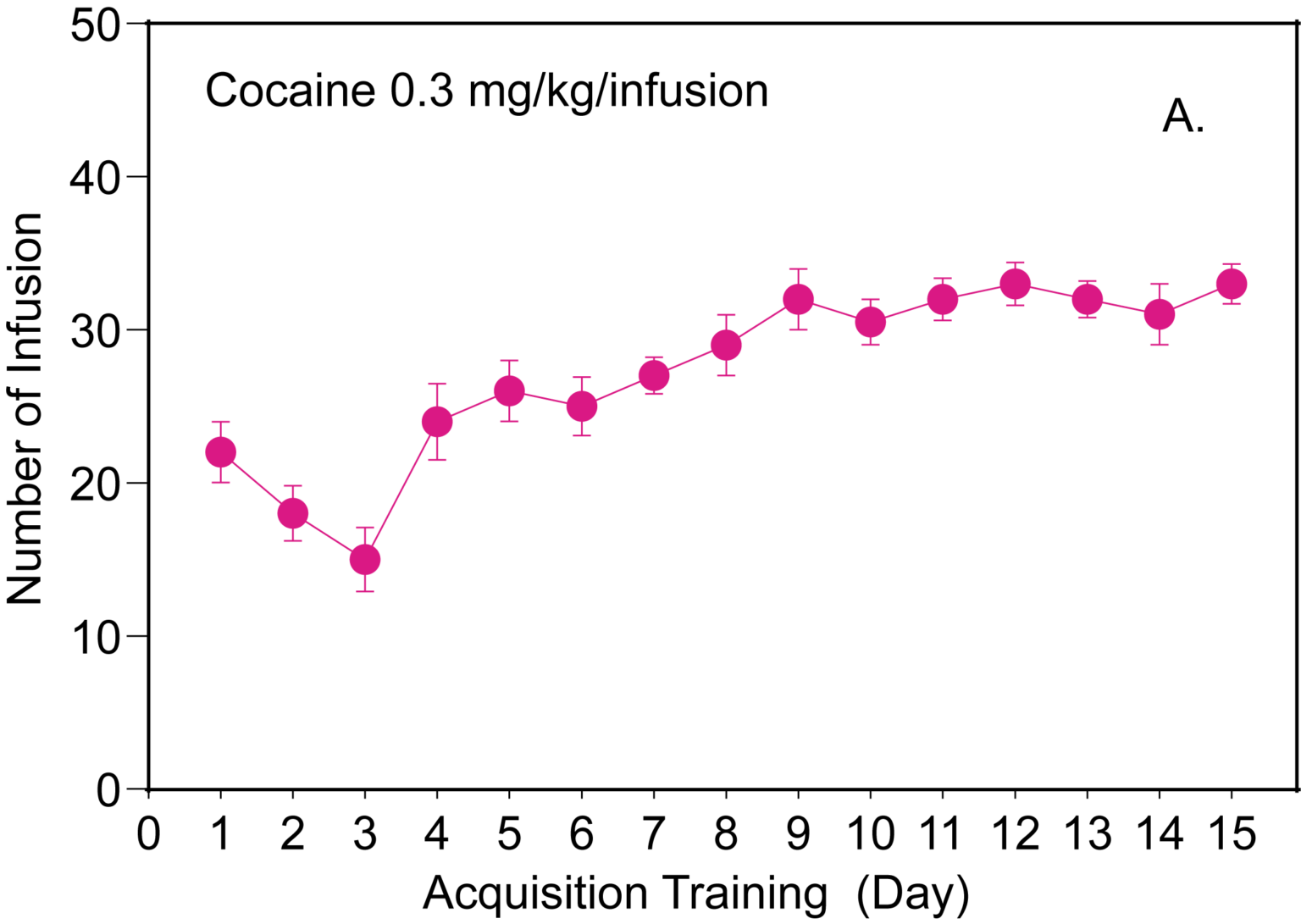
Time course of cocaine self-administration in rats

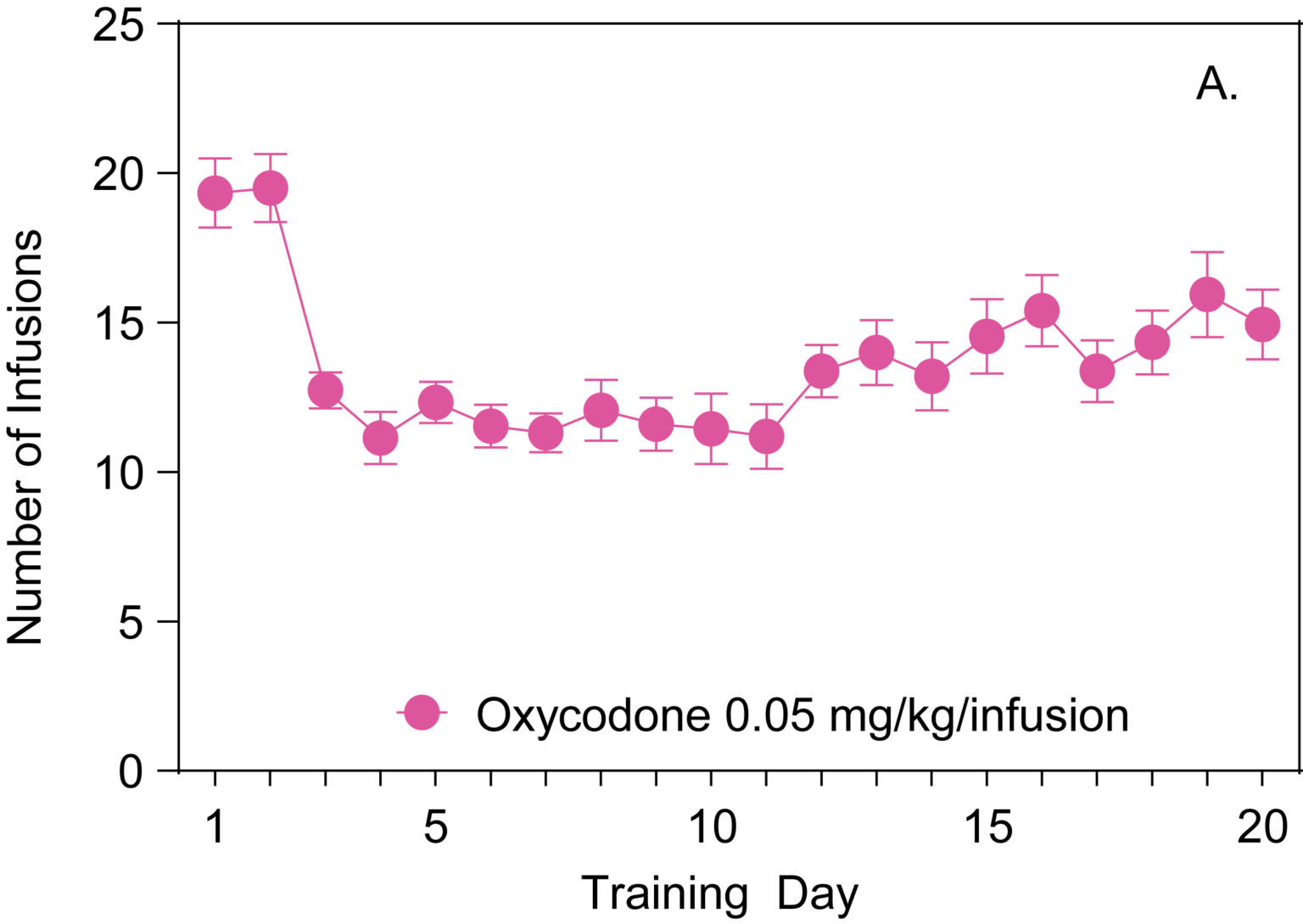
Oxycodone self-administration and its inhibition
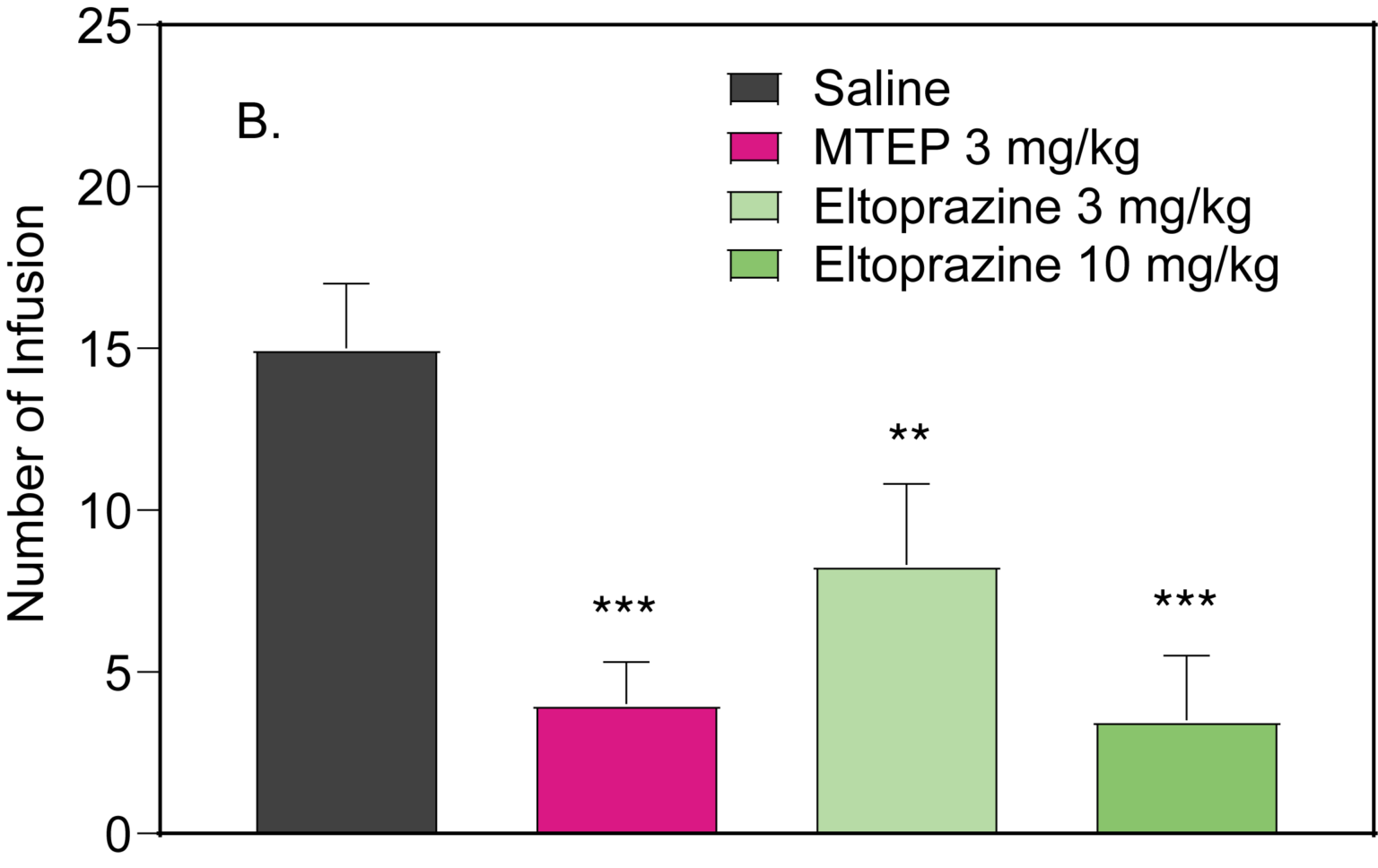
PR schedule tests with cocaine, morphine and oxycodone
Cocaine



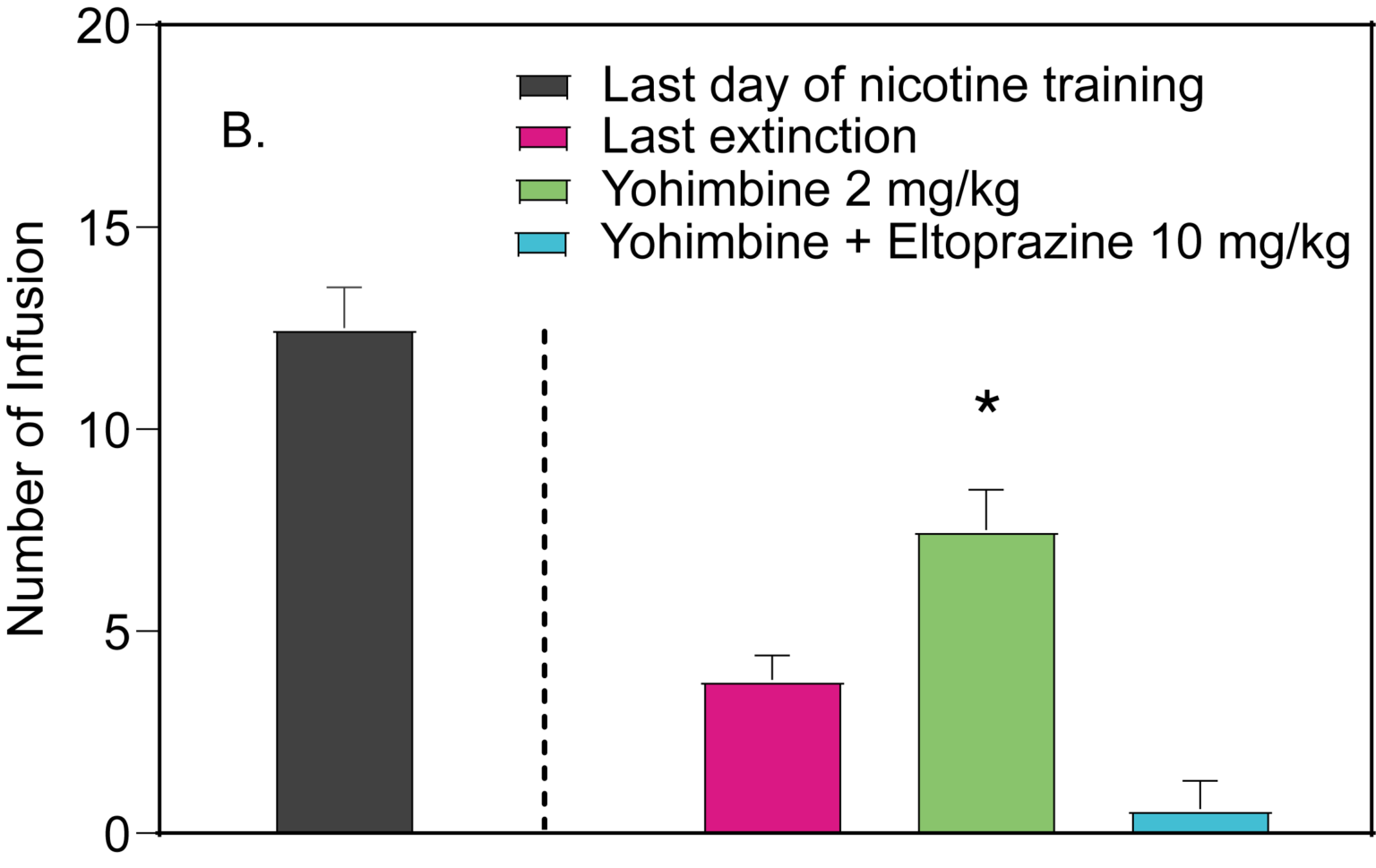
Reinstatement of drug abuse
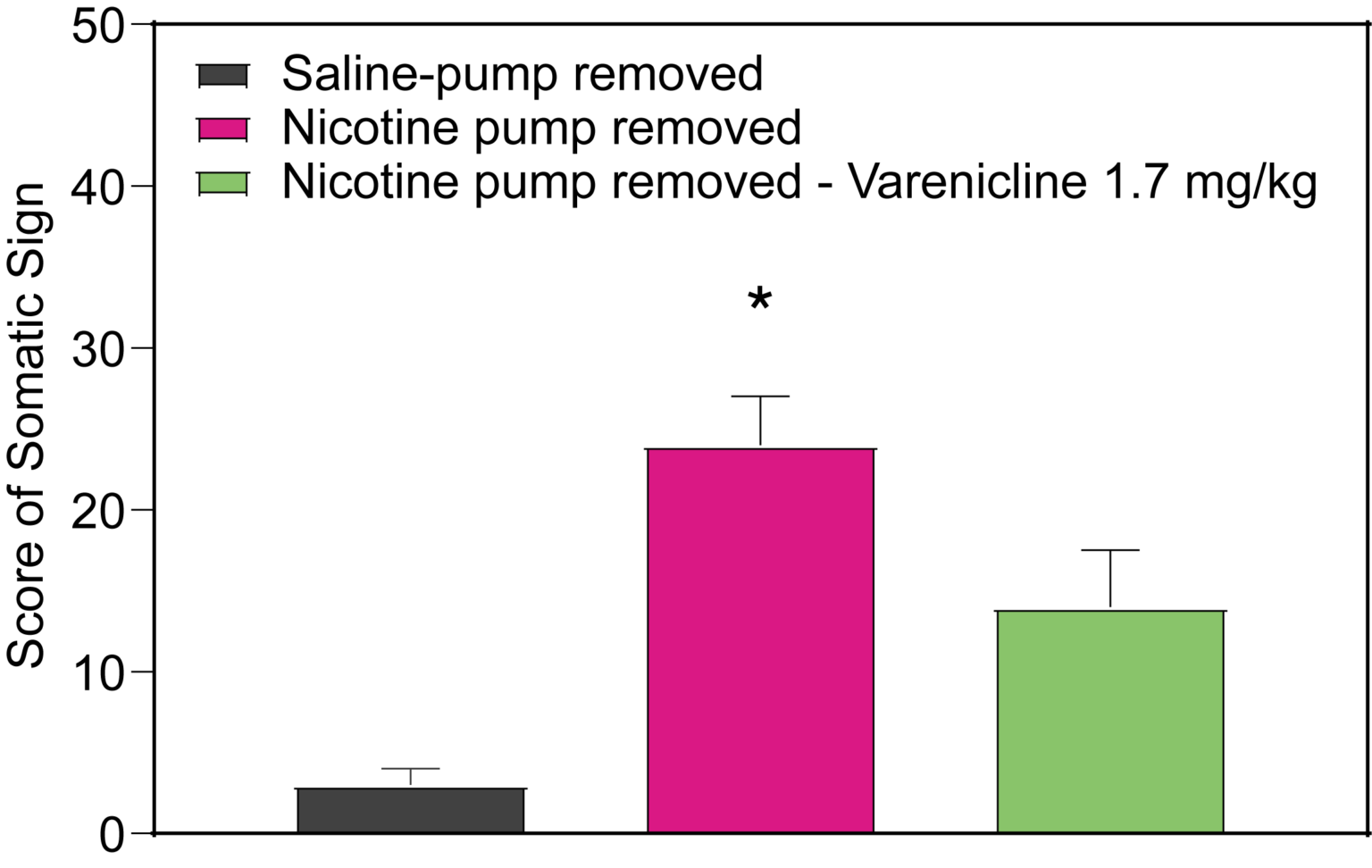
Cue-induced reinstatement of nicotine abuse and its inhibition by varenicline

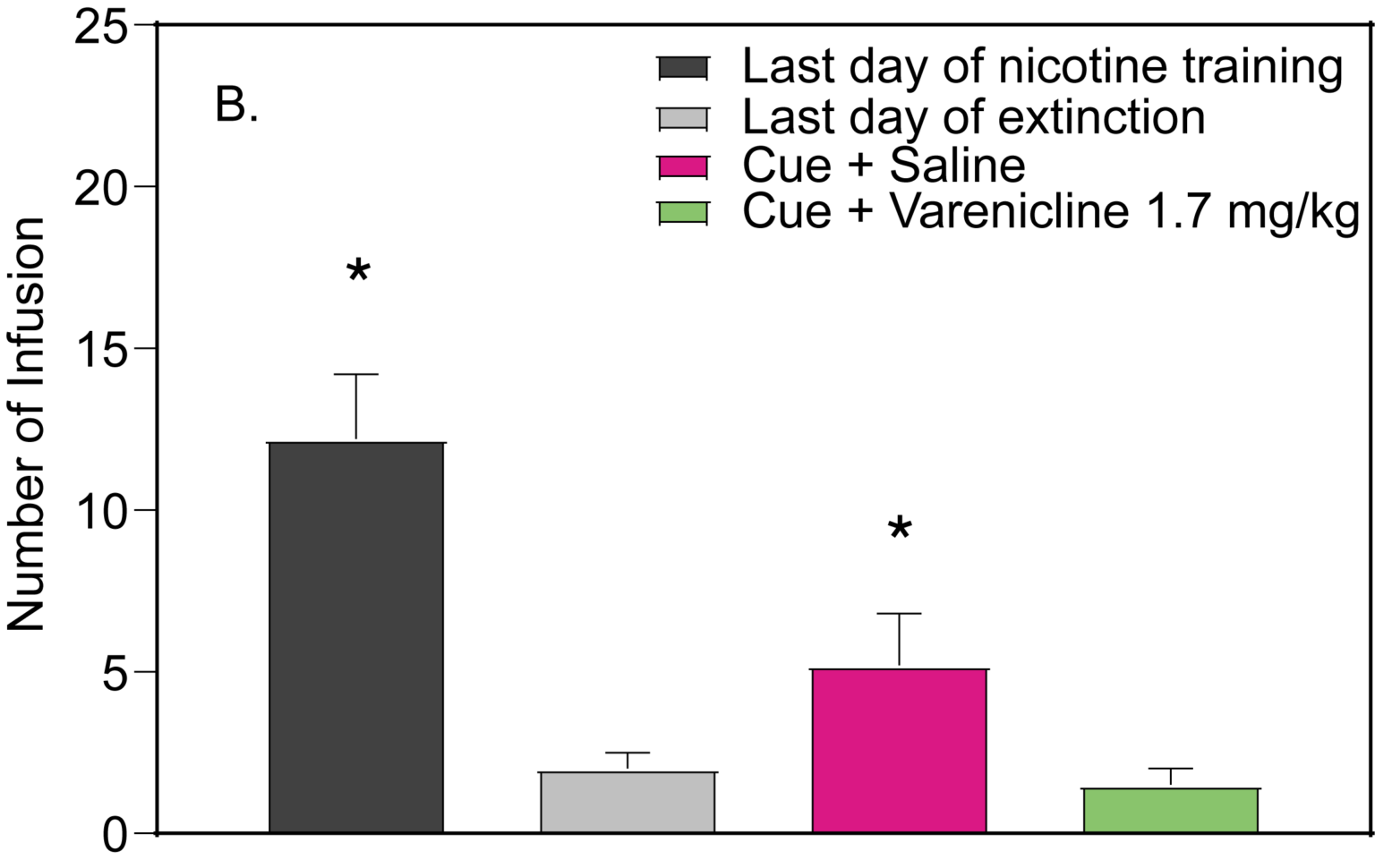
Cue-induced reinstatement of nicotine abuse and its inhibition by varenicline

Services
Drug Discrimination
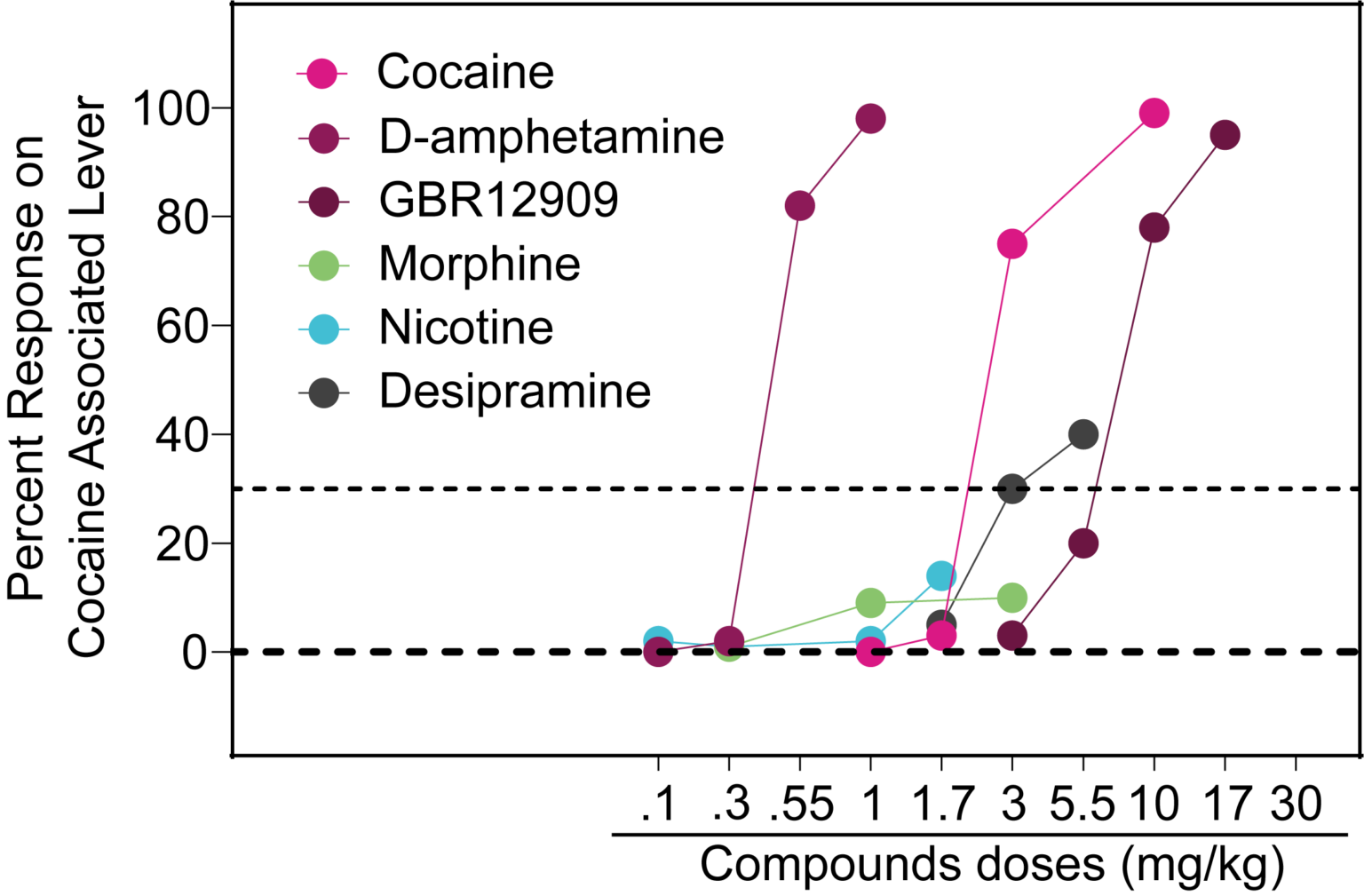
When exposed to a novel compound, the level of drug-appropriate responding indicates the degree of similarity between the subjective effects of the compound and the reference drug.
By combining drug self-administration and drug discrimination models, PsychoGenics provides a crucial source of data for developing medications that maximize therapeutic benefits while minimizing the risk of drug abuse.
Substitution
Services
Conditioned Place Preference
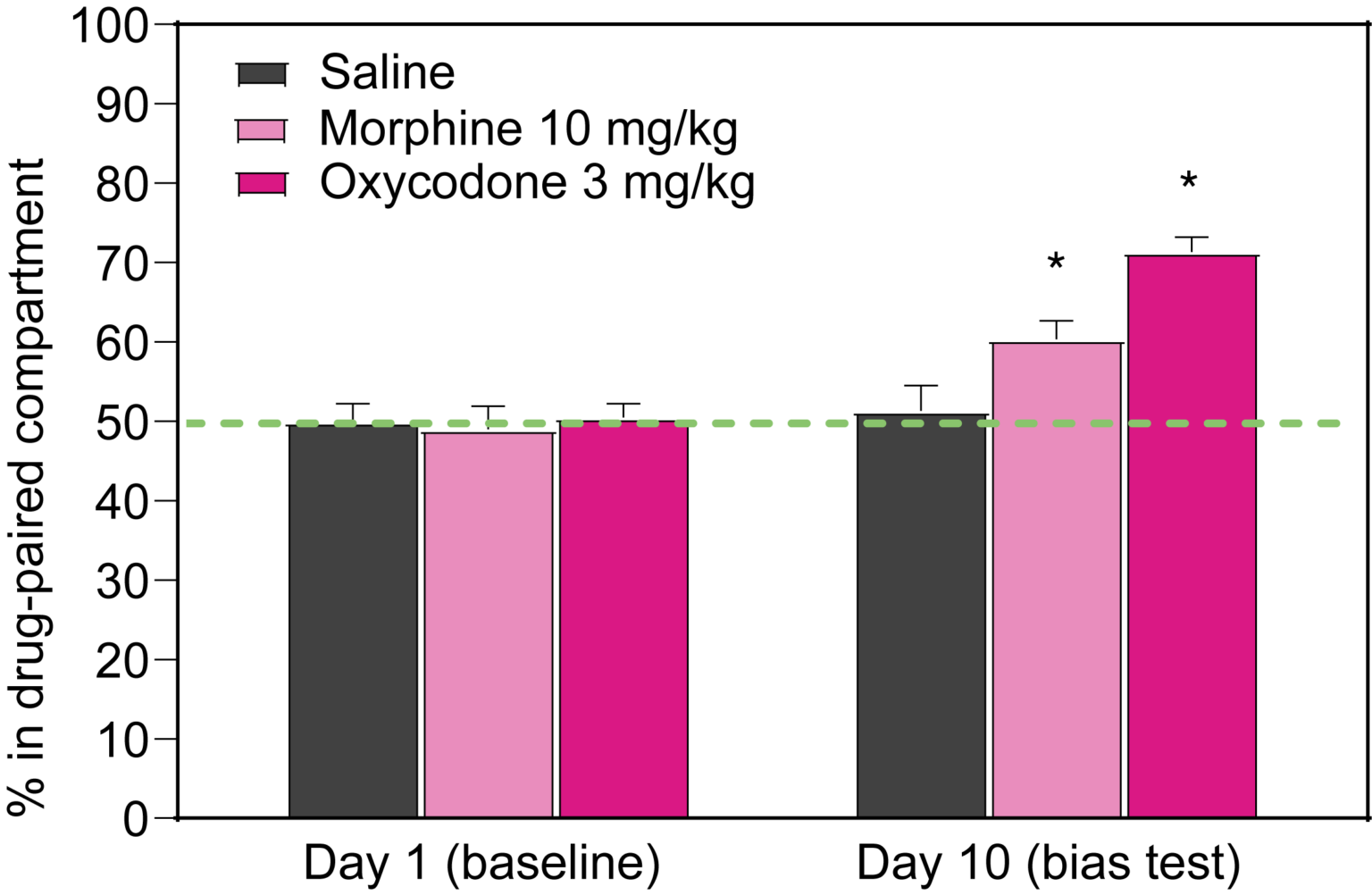
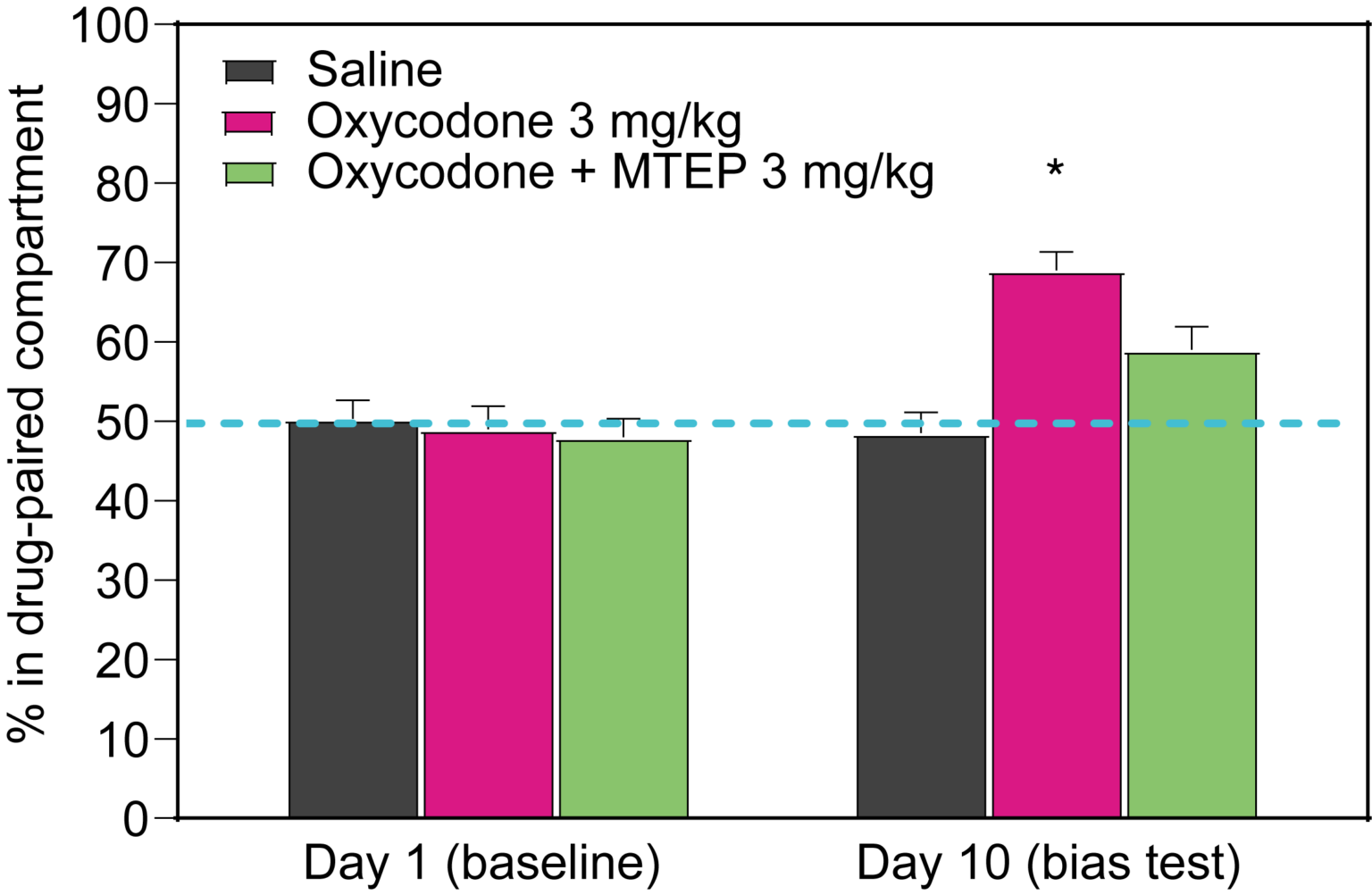
Rooted in Pavlovian conditioning, conditioned place preference (CPP) is widely utilized to assess preferences for environmental stimuli associated with positive experiences like food, reinforcing drugs, or pain relief linked with distinct cues. CPP detects both reward-driven behaviors and aversion relief, evidenced by animals gravitating toward spaces associated with positive cues.
Morphine and oxycodone-induced CPP
Services
Drug Withdrawal
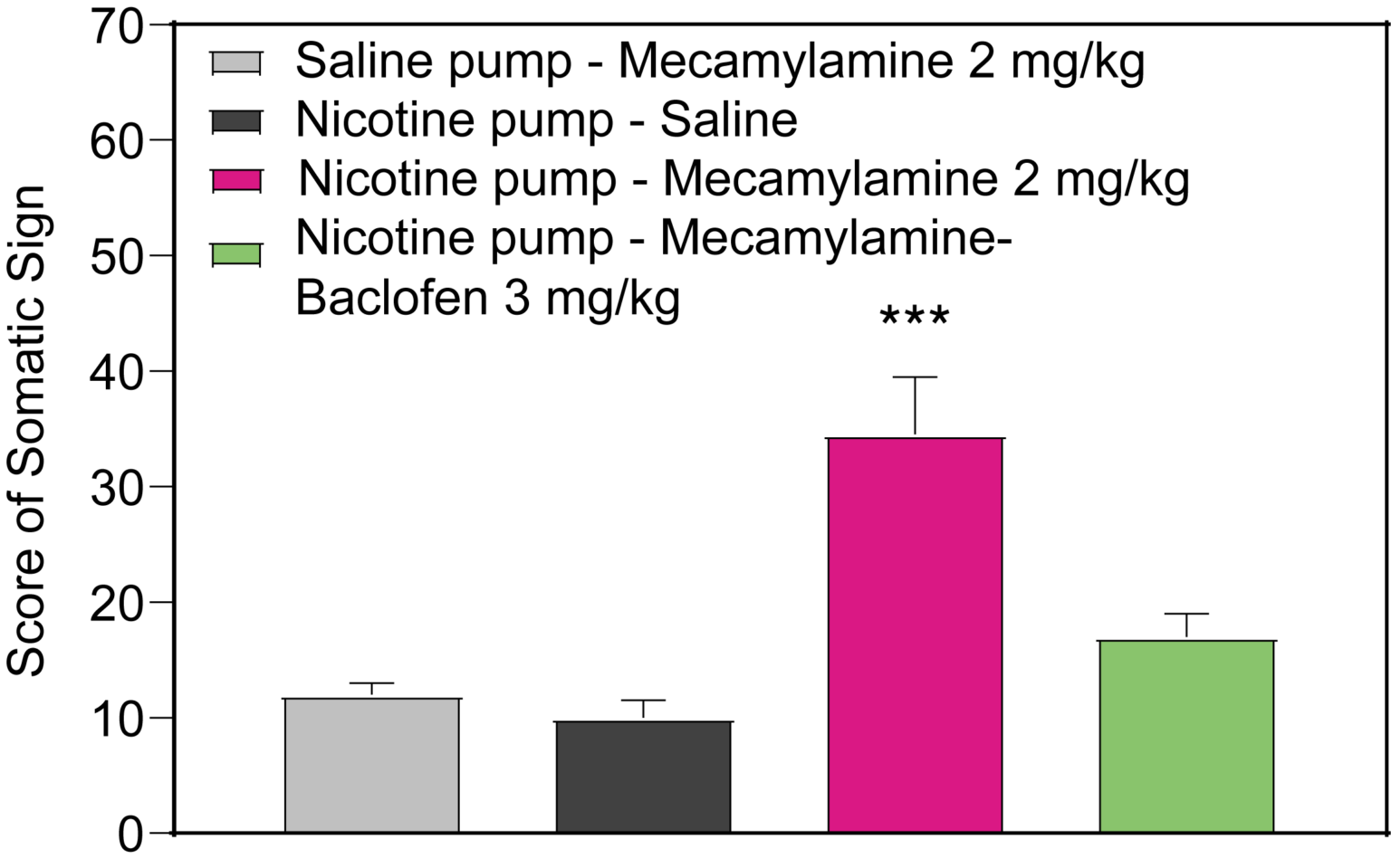
Nicotine: Precipitated Withdrawal