

Services
Services
Ube3a Het Mouse Model
Angelman Syndrome (AS) is a rare genetic neurodevelopmental is most frequently caused by deletion or mutation of the UBE3A gene on the maternal allele of the 15th chromosome. The disease is characterized, in part, by developmental delays, movement impairments, and difficulties with communication and language, the effects of which impact children and adults.
Ultrasonic Vocalizations
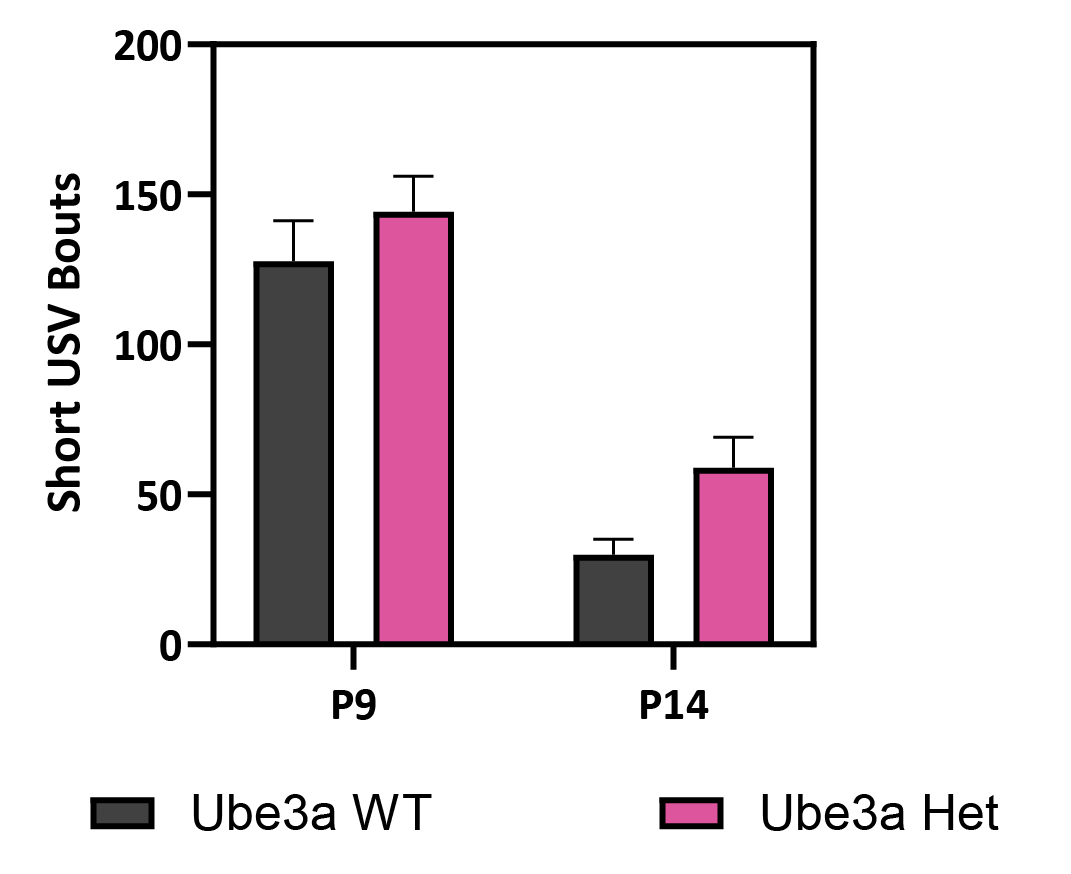
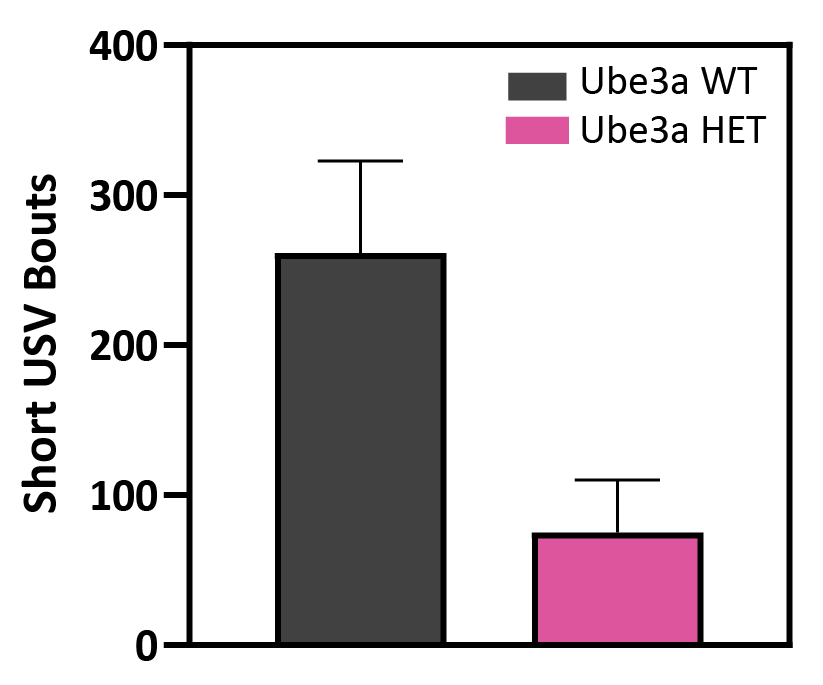
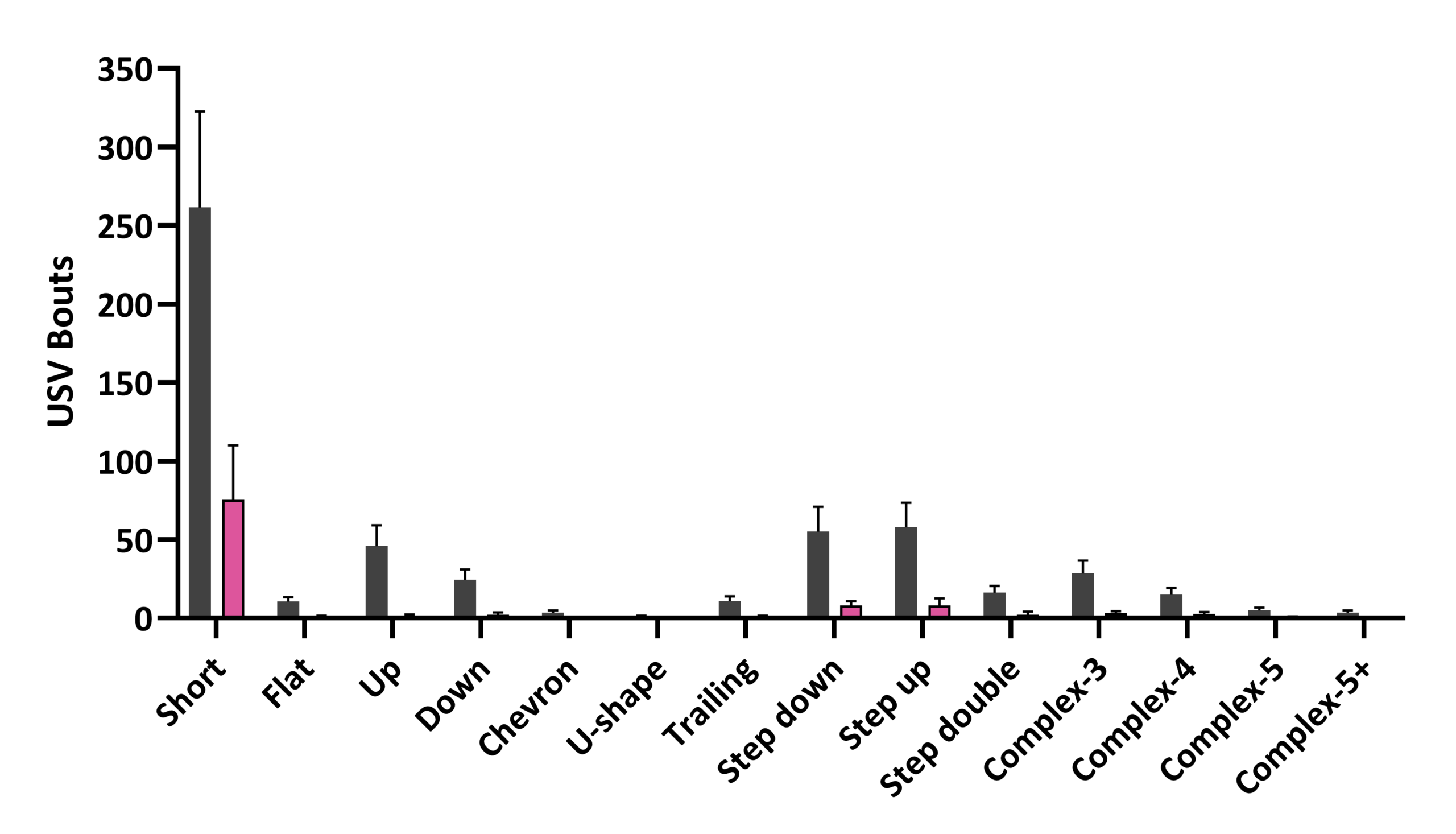
(A) Number of short-duration USV calls at Postnatal day 9 (P9) and 14 (P14). At P14, but not P9, the number of calls was greater in male Ube3a HET mice compared to WT mice. (B) Number of short-duration calls was decreased in 13-week-old Ube3a HET mice compared to age-matched WT mice. (C) Classification of USV calls in 13-week-old male Ube3A WT and HET mice showed that Ube3A HET mice made fewer total USV calls compared to WT. Furthermore, the composition of these calls differed between the genotypes. The majority of the calls in the adult HET animals were short in duration, in contrast to WT animals who exhibited a more diverse and complex vocalization repertoire.
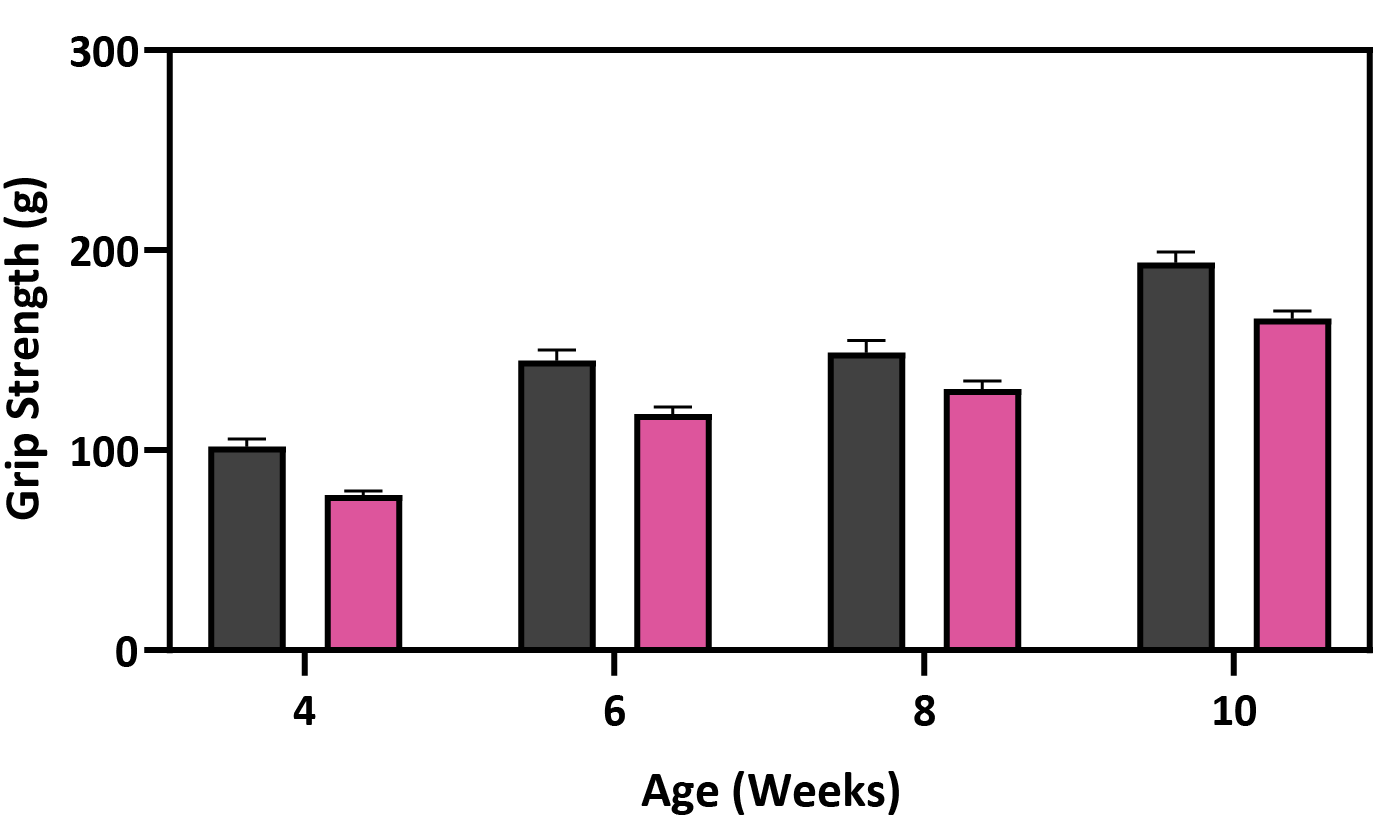
Motor and Muscle Assessment

EEG Profile
Time spent in W, NREM and REM in the Light and Dark Phases
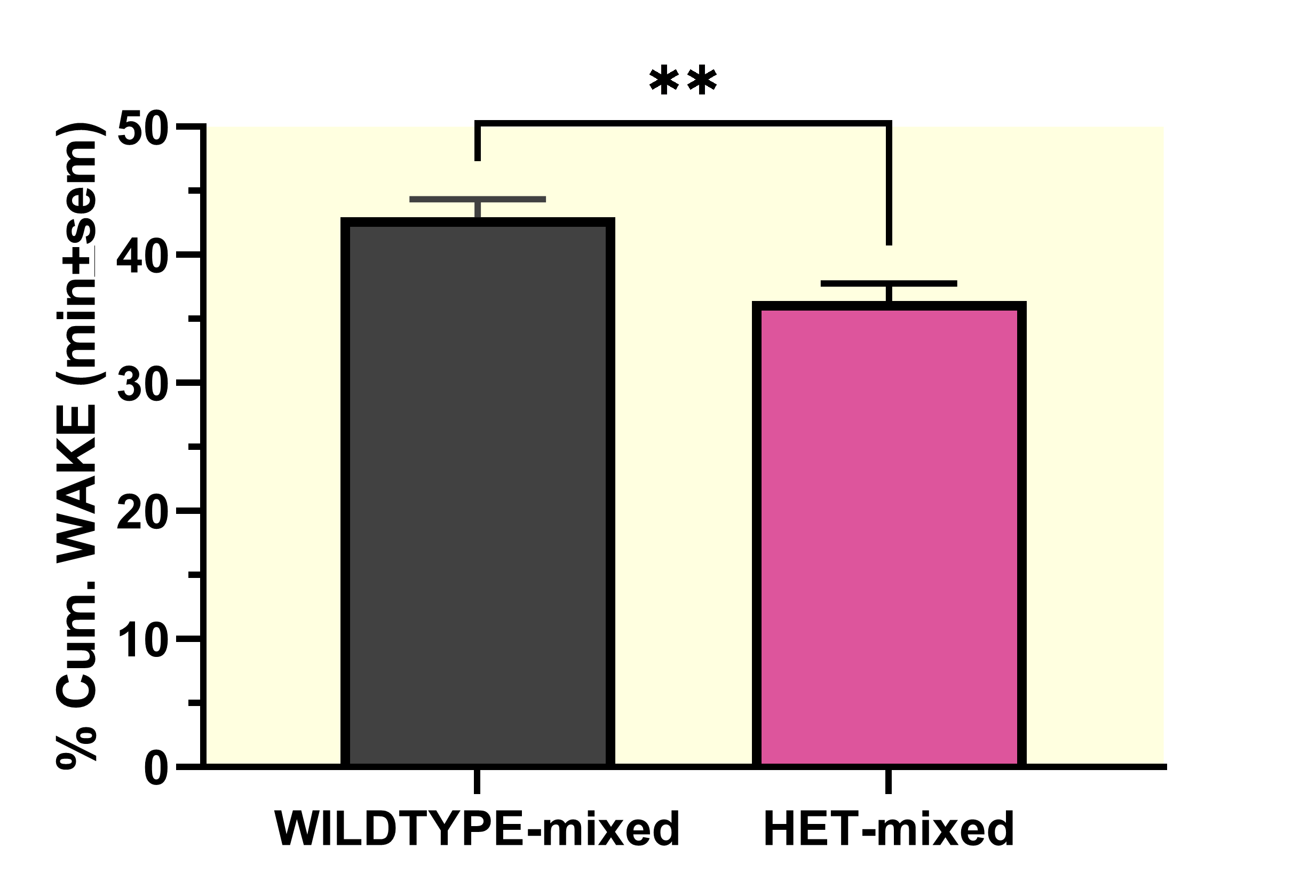
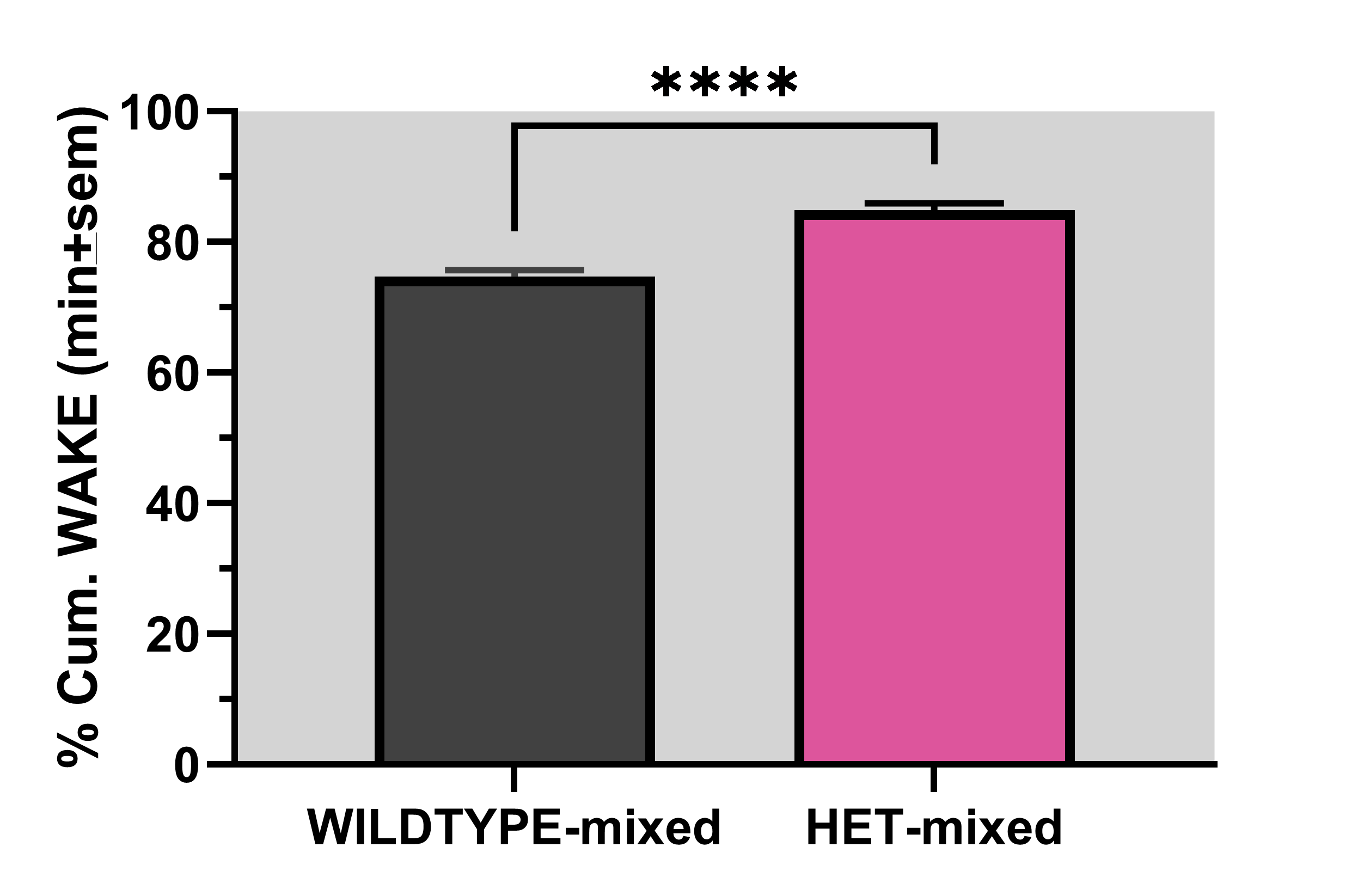
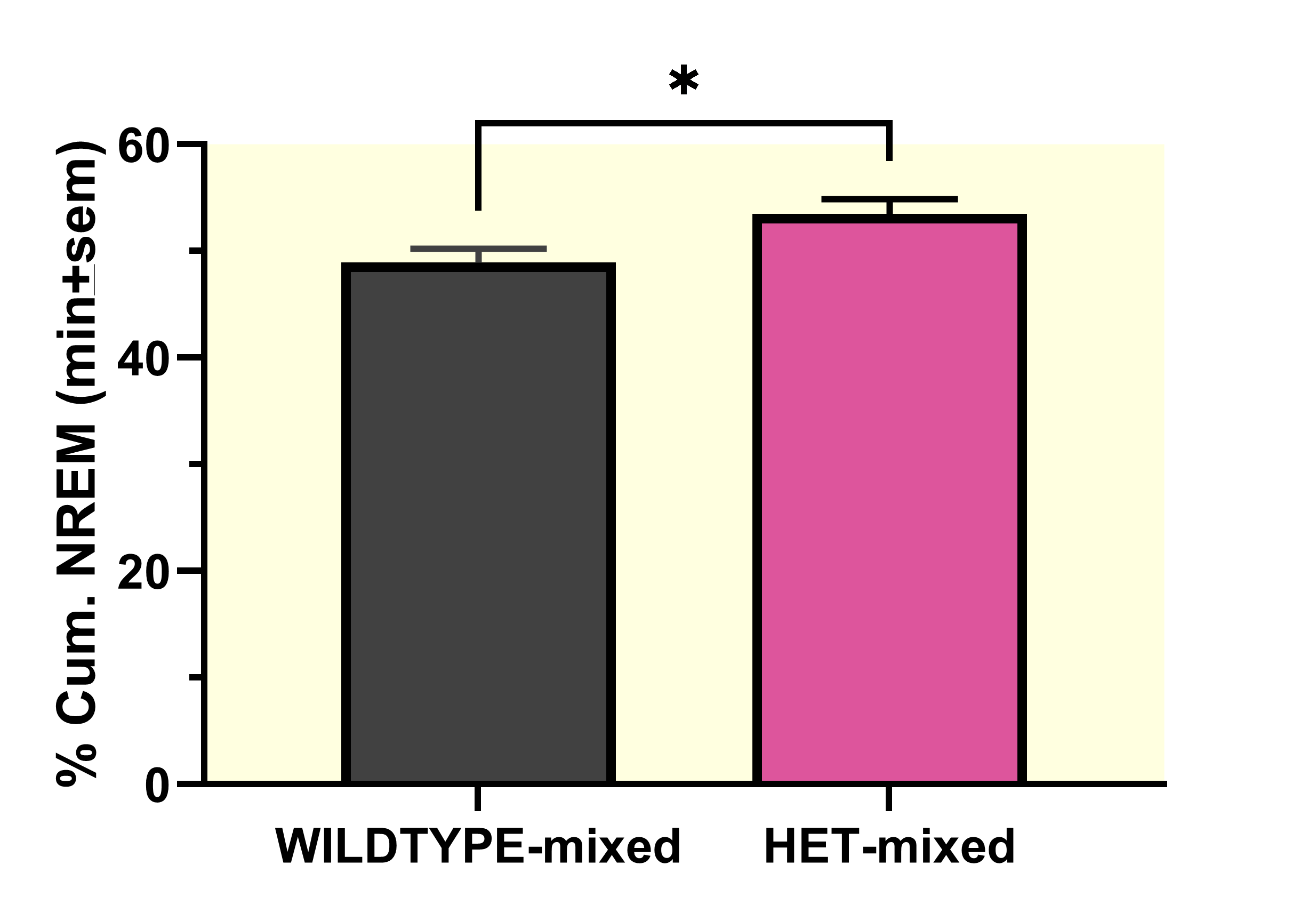
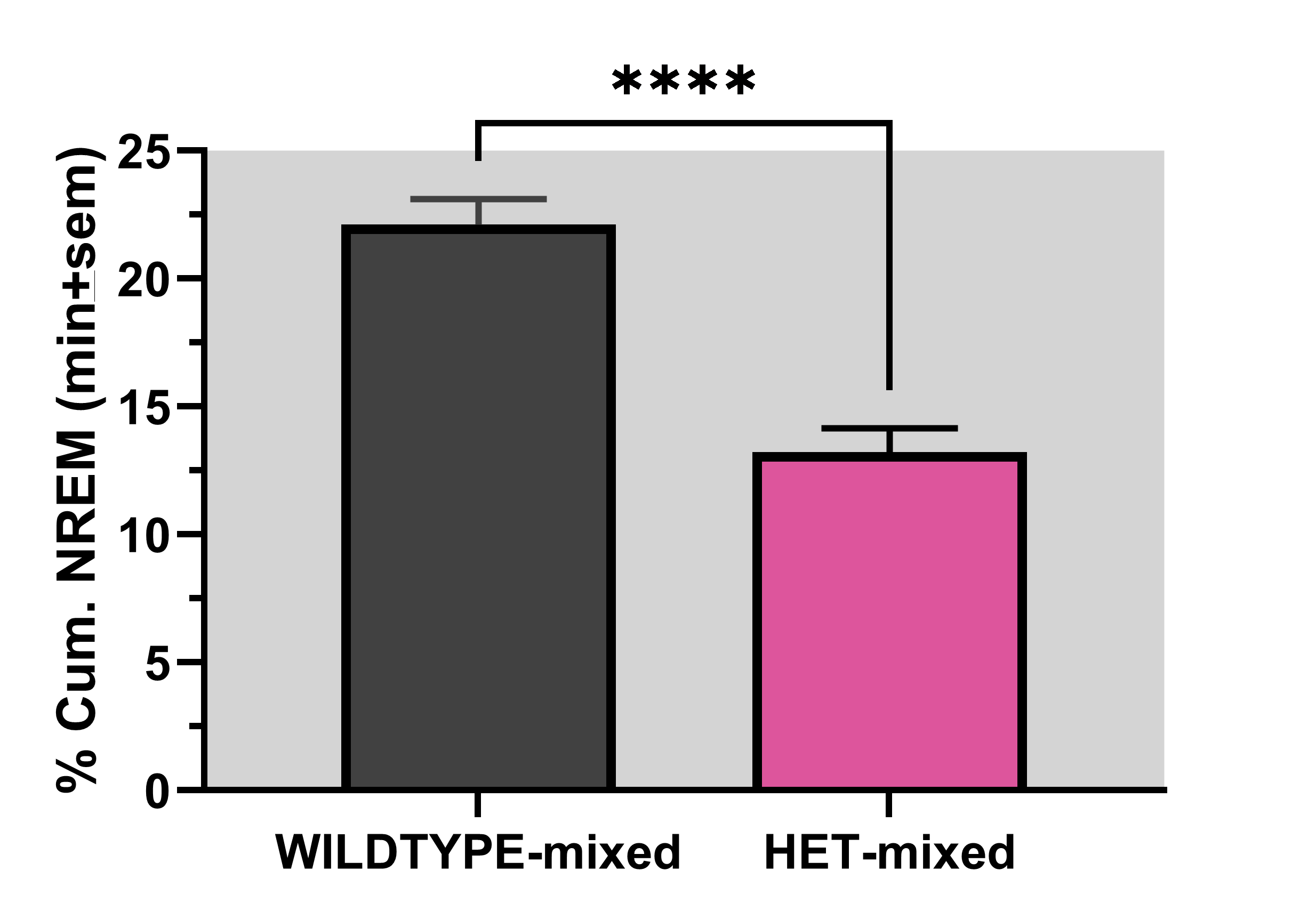
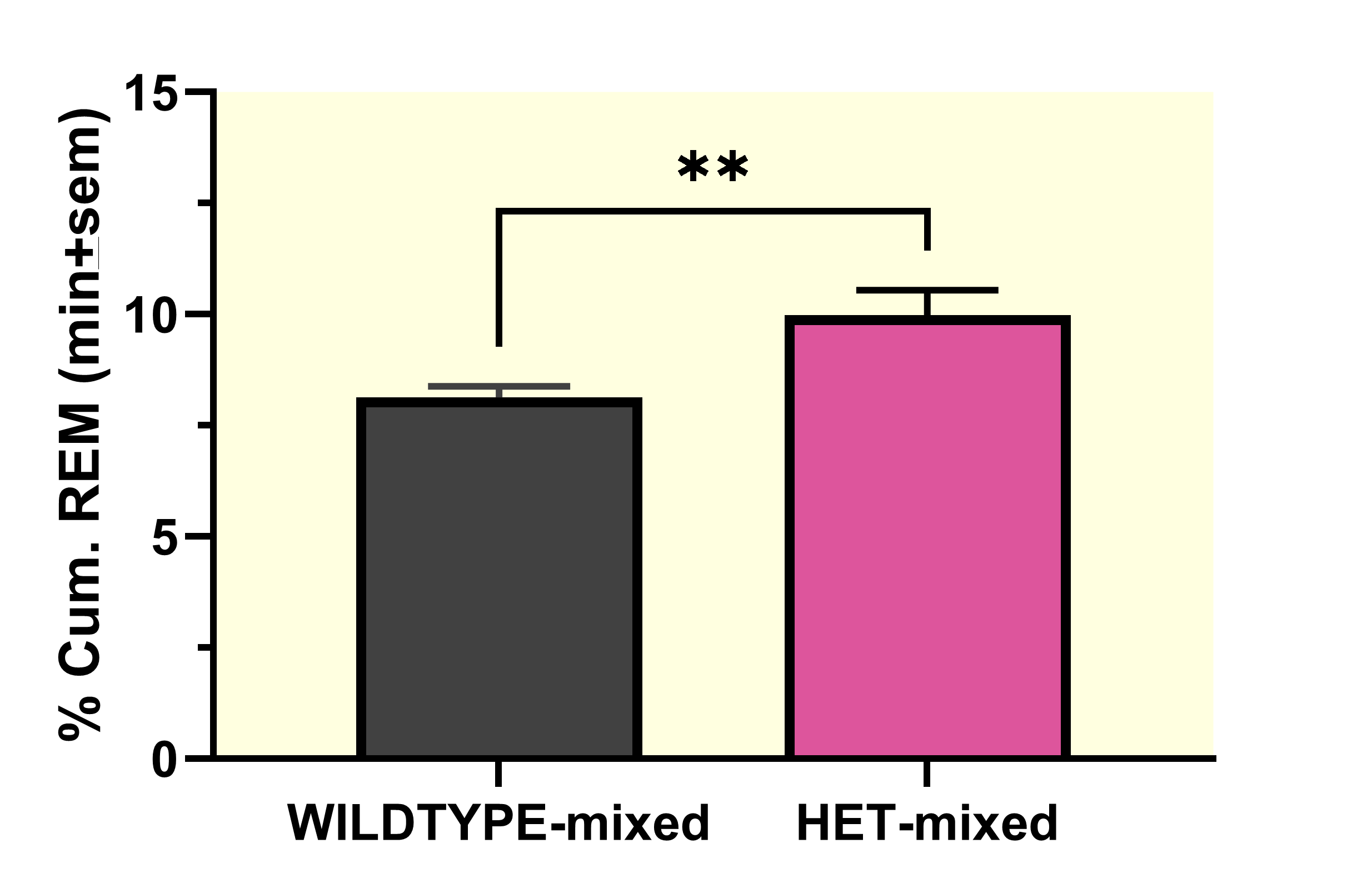
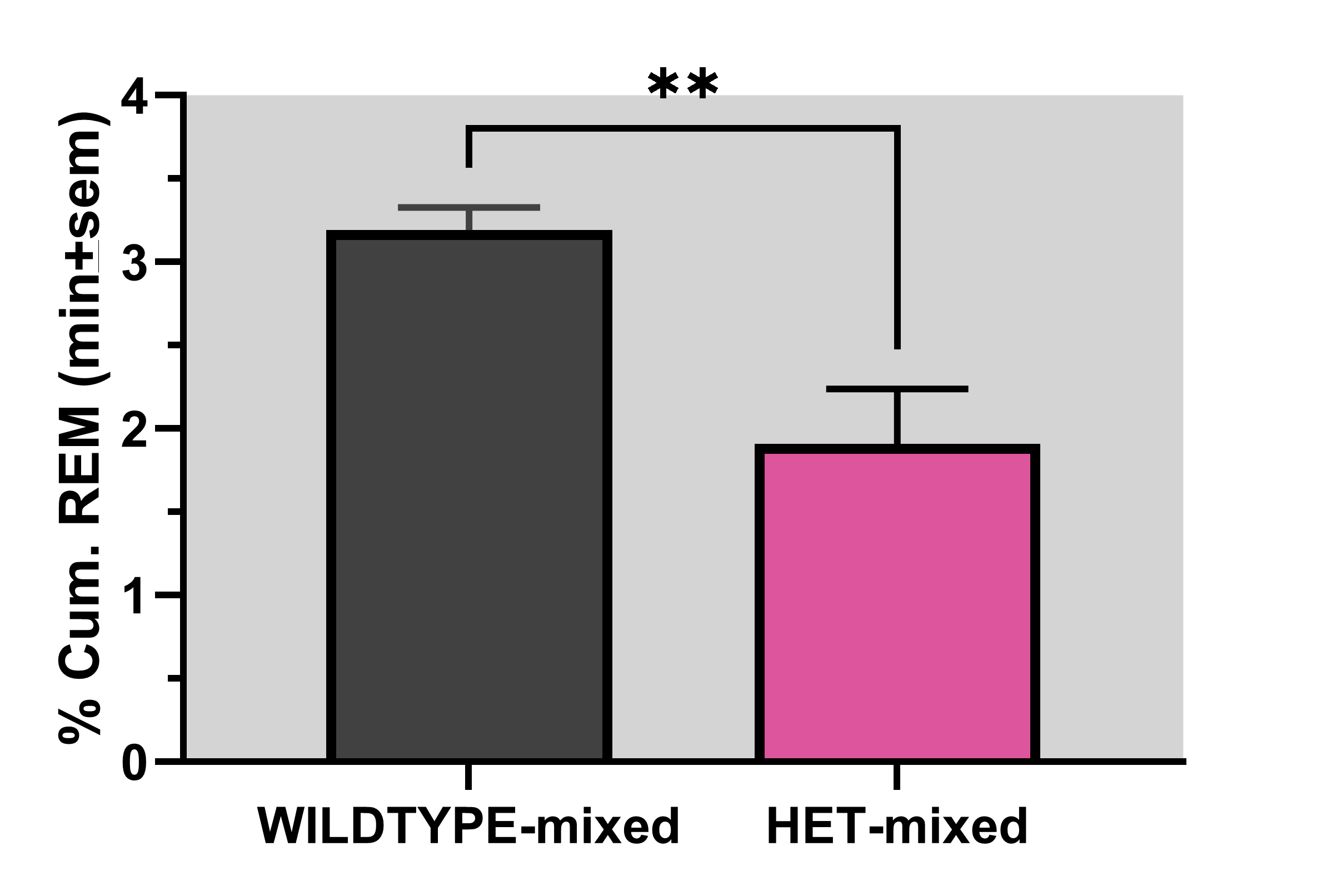
During the dark phase, Ube3a Het mice spent more time awake and less time in NREM and REM sleep compared to WT littermates.
Aberrant Waveforms
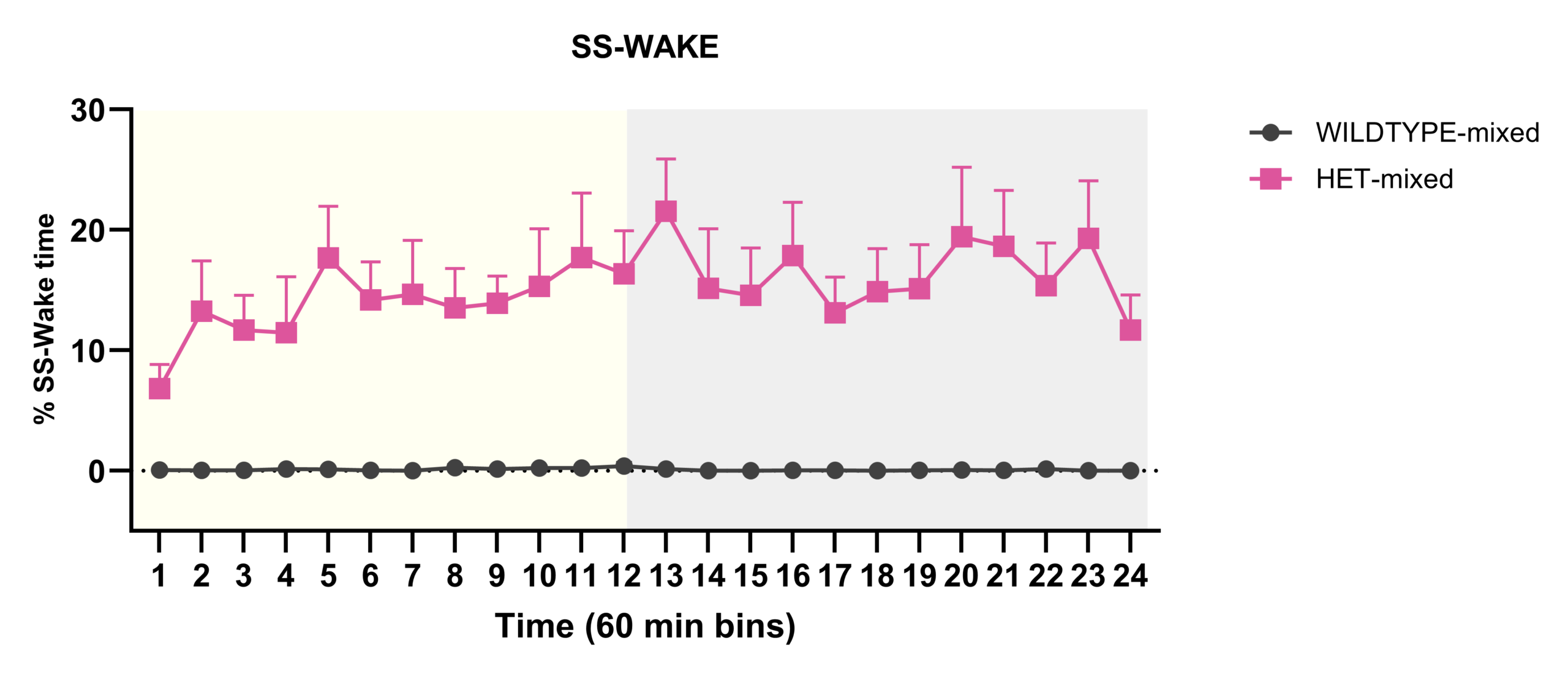
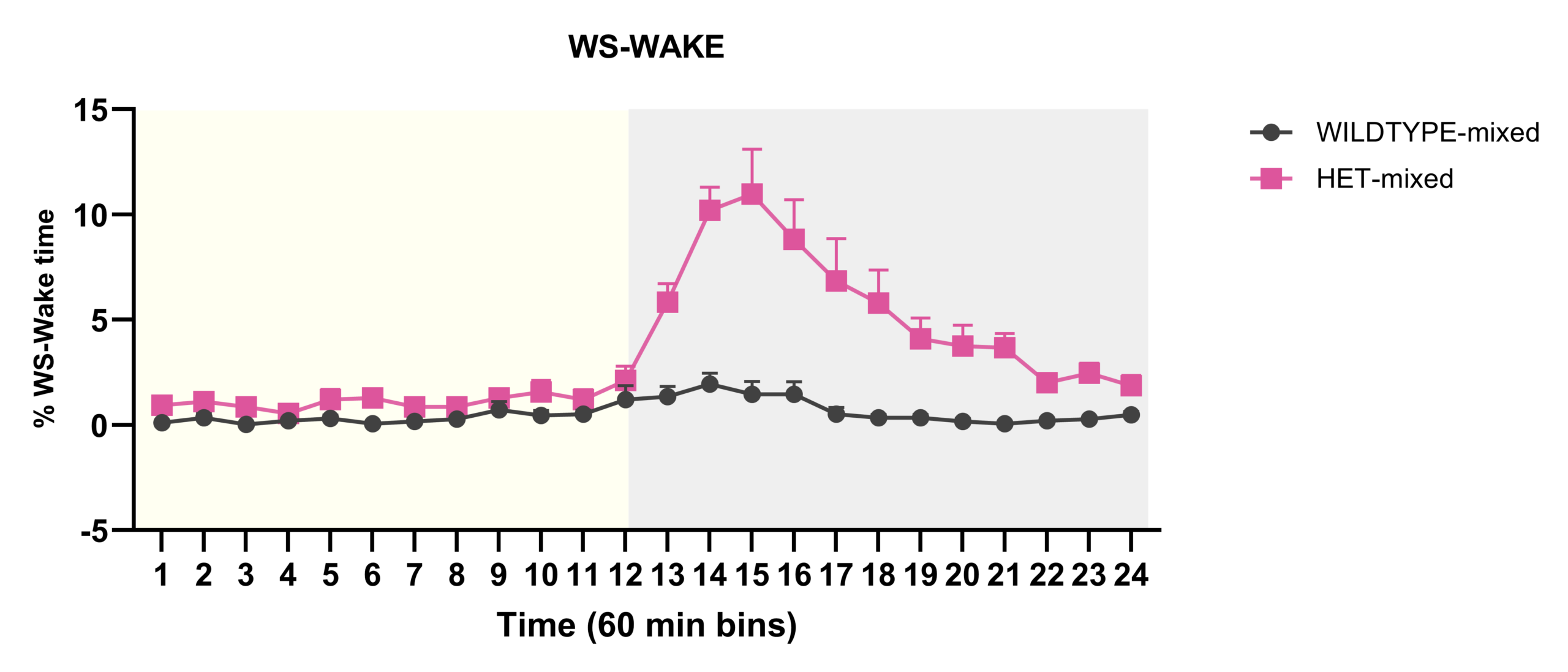
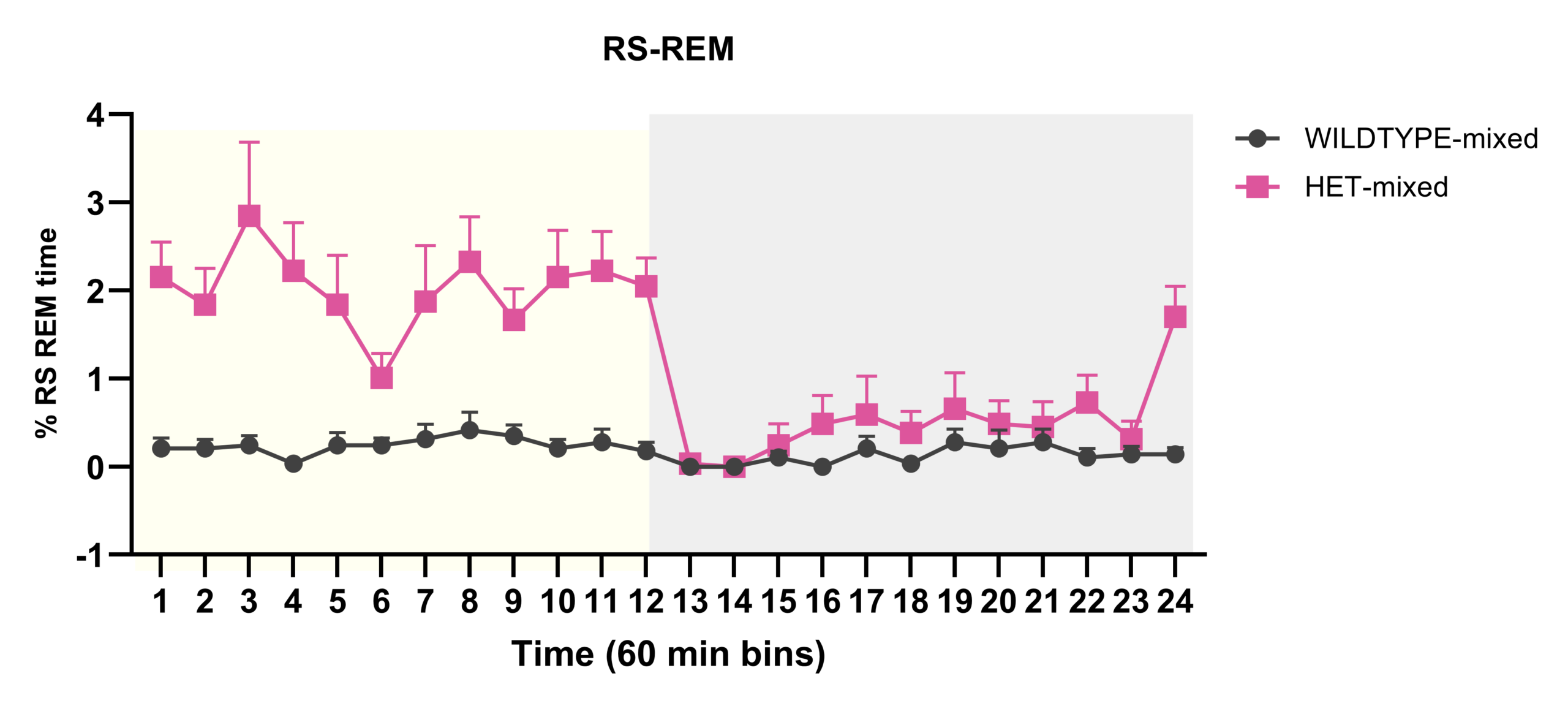
Ube3a Het mice have multiple seizure types. Three types are reported on here. The top panel represents the expression across the 12/12 hour light/dark cycle of one seizure type labeled “SS”. SS is a non-motor seizure that is found only during waking and is seen in both the frontal and parietal channels. The expression of SS has little variation across the light/dark cycle. The middle panel represents the expression another seizure type labeled “WS”. WS is also a non-motor seizure that is found only during waking but is seen only in the frontal channel. WS occurs more during the dark phase compared to the light phase. The bottom panel represents the expression another seizure type labeled “RS”. RS is also a non-motor seizure that is found only during REM sleep and, like WS, is seen only in the frontal channel. RS occurs more during the light phase compared to the dark phase.