Services
Services
Preclinical TBI Model Expertise
PsychoGenics employs the Controlled Cortical Impact Injury (CCI) model to simulate and evaluate the complexities of traumatic brain injury. CCI stands as a precise and meticulously controlled method for inducing traumatic brain injuries, characterized by its controlled displacement, speed, and dwell time. This advanced technique generates a “focal” injury directly through a craniotomy, leading to an immediate hemorrhagic response. Such focal injuries are pivotal in the study of traumatic brain injuries as they allow for the anatomical targeting of the lesion, enabling researchers to investigate the effects on specific areas such as the CA3 region of the hippocampus or the sensorimotor cortex. This model can be used to evaluate novel therapies.
Comprehensive Behavioral Testing and Pathology Endpoints for Preclinical TBI Studies
Balance Beam

Cylinder Test
Rats are placed in a transparent cylinder and videotaped for 5 minutes to evaluate limb use. Forepaw contacts are counted under red light conditions, providing a detailed assessment of motor skill recovery or impairment.

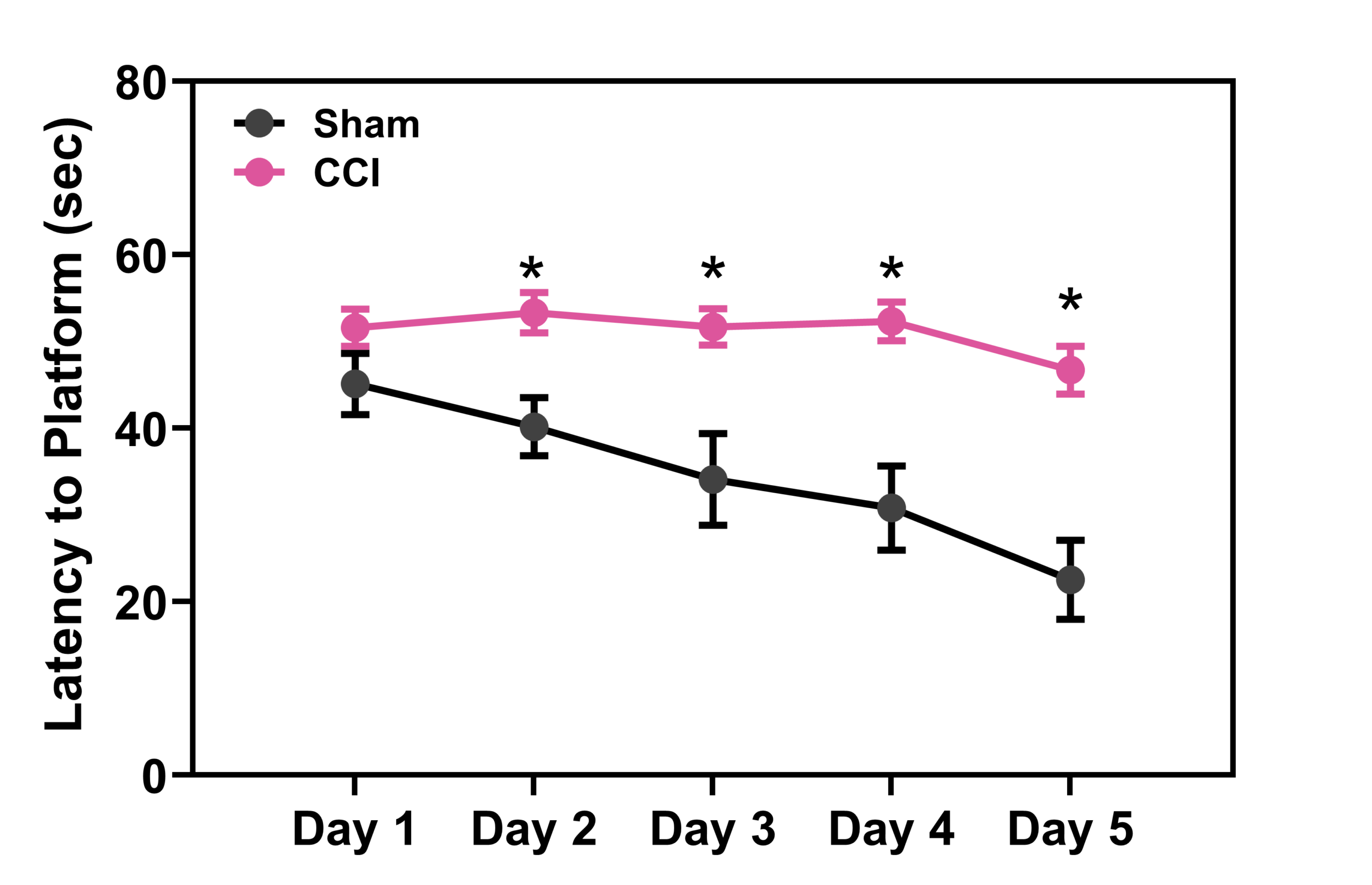
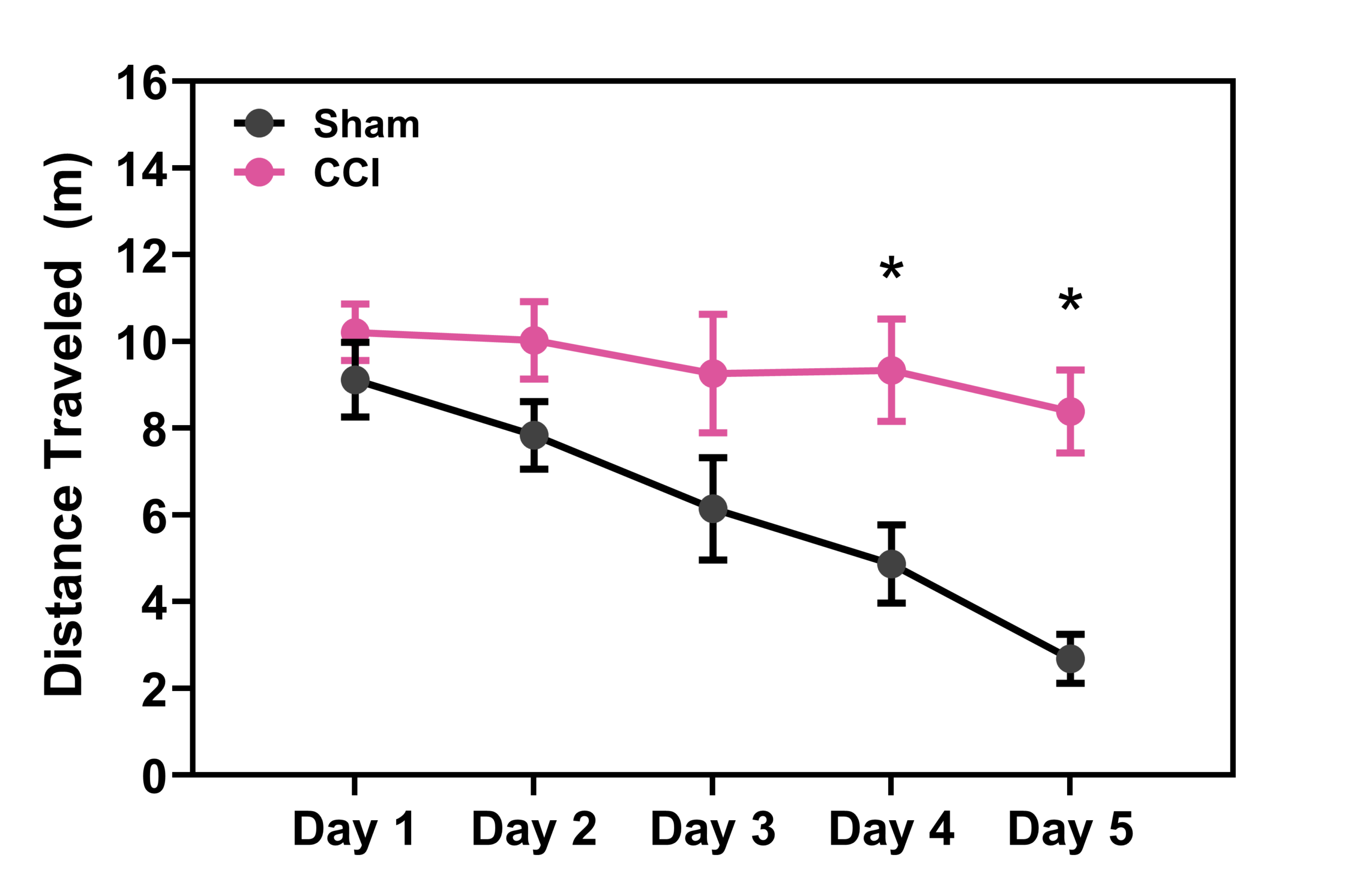
Morris Water Maze
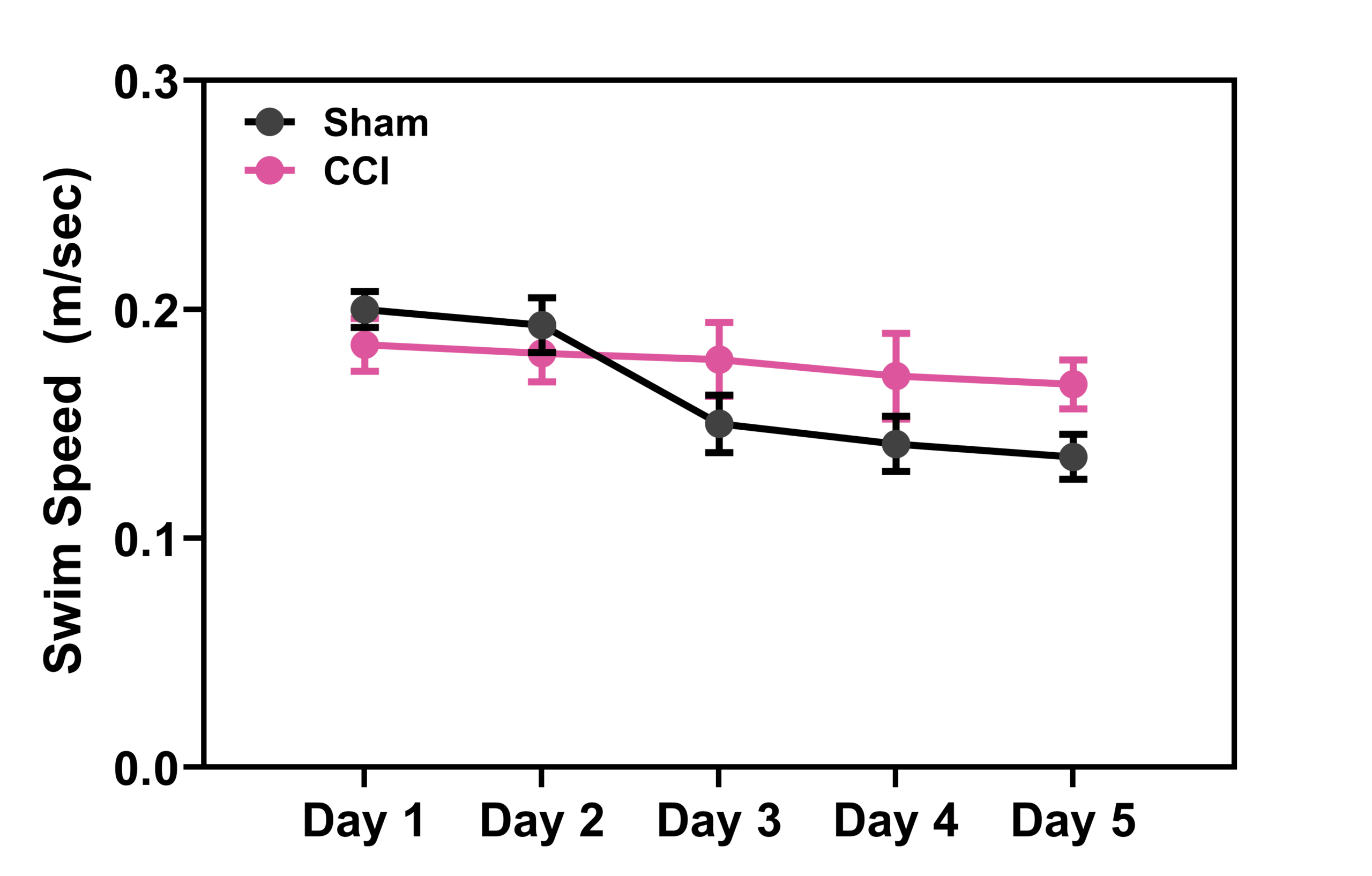
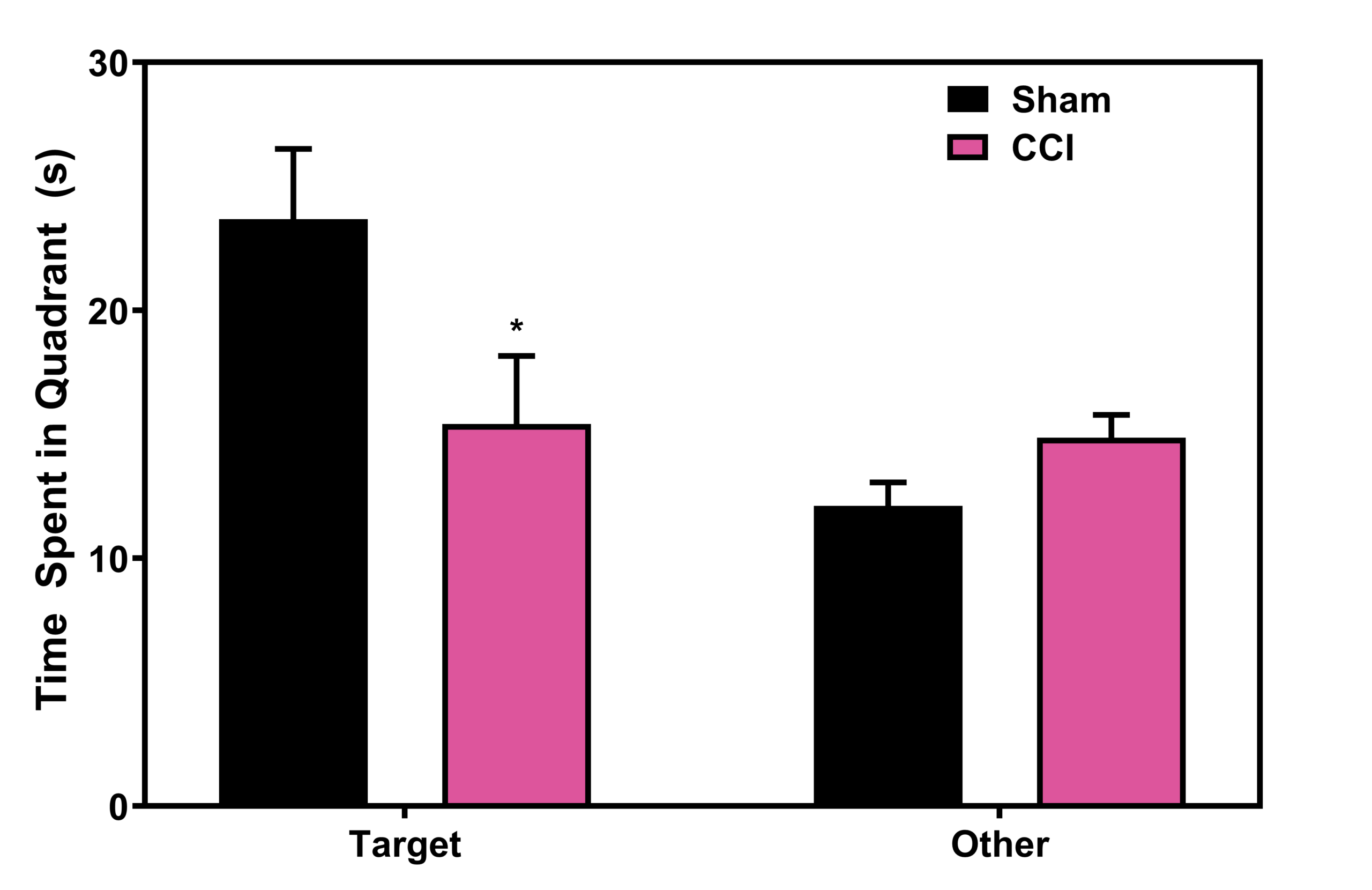
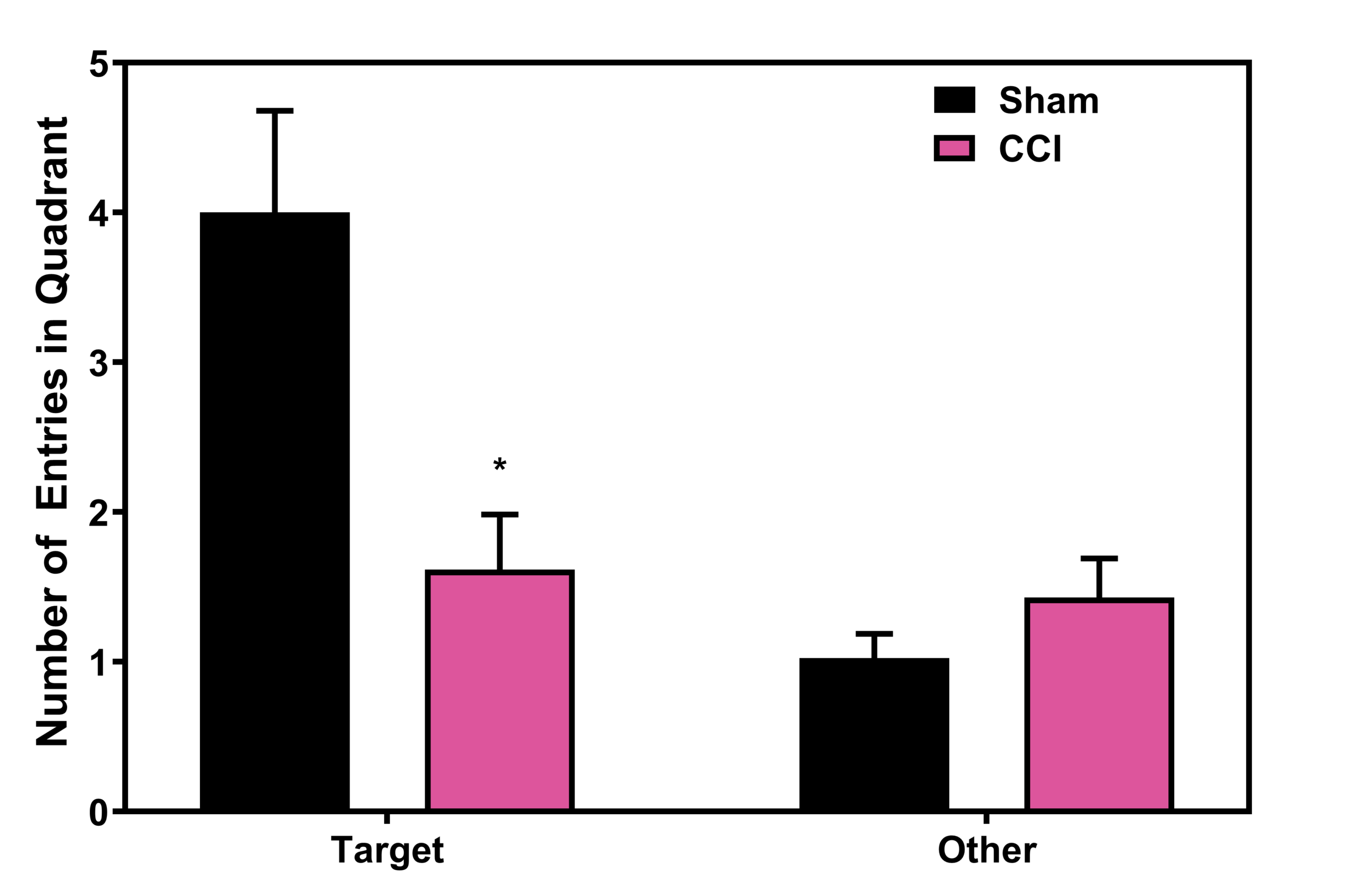
Probe Trial in the Morris Water Maze